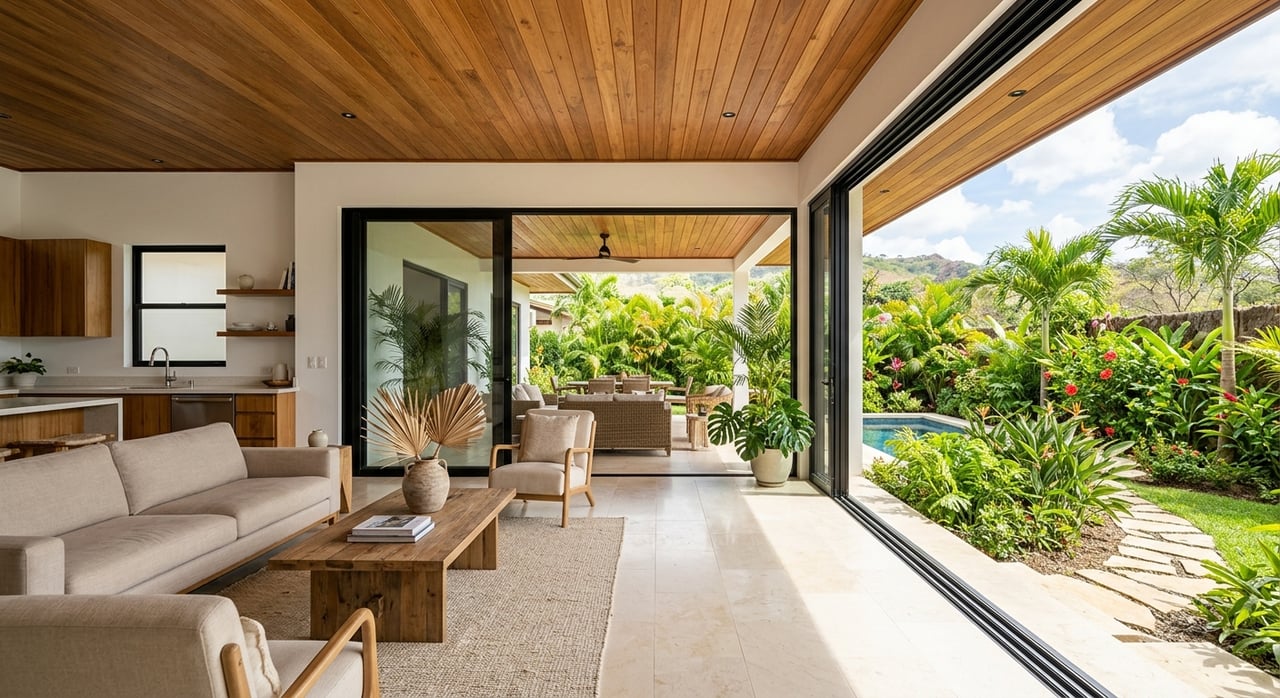
Thinking about selling your Honokaʻa home? Before you list, the work you do behind the scenes can shape how buyers see your property, how quickly it sells, and how strong your offers look. In a place like Honokaʻa, where lush surroundings and a wetter Hāmākua Coast climate affect both curb appeal and maintenance, smart preparation matters. Here’s how to get your home market-ready with a clear plan that helps you launch with confidence. Let’s dive in.
Why prep matters in Honokaʻa
Honokaʻa offers a setting that feels distinct from many other Big Island markets. The Hāmākua Coast is known for its scenic beauty, historic town character, and a climate that brings significant annual rainfall. That combination makes presentation especially important, because buyers will notice both charm and condition.
For sellers, that means your prep plan should go beyond basic tidying. You want your home to feel clean, bright, well cared for, and ready for photos. You also want to address moisture-related issues early so they do not distract from the features that make your property stand out.
Start with the highest-impact fixes
If you are wondering where to begin, focus first on the items that improve how your home looks and feels right away. A 2025 staging survey found that sellers’ agents most often recommend decluttering, cleaning the entire home, and improving curb appeal. Those simple steps are often the foundation of a stronger listing launch.
They matter for good reason. The same survey found that some agents saw staged homes earn offers that were 1% to 10% higher, and many said staging reduced time on market. In other words, the basics are not minor details. They are often the most efficient way to improve buyer response.
Prioritize these first
- Declutter every room
- Deep clean the entire home
- Improve front entry and curb appeal
- Remove overly personal items
- Simplify furniture layouts
- Clear counters and open surfaces
If your home has been lived in for many years, or used as a second home, it can be hard to know what stays and what goes. As a rule, keep enough in place to make the home feel warm and functional, but remove anything that makes rooms feel crowded or visually busy.
Pay attention to Honokaʻa climate issues
On the Hāmākua Coast, moisture management is part of home presentation. With the area’s rainfall, buyers may look closely for signs of leaks, mildew, musty odors, soft wood, or deferred exterior maintenance. Taking care of those items before photography can help your home feel better maintained from the start.
This is also a market where pest concerns should not be ignored. University of Hawaiʻi CTAHR identifies the Formosan subterranean termite as the single most damaging insect pest to homes and other structures in Hawaiʻi. That does not mean every home has a problem, but it does mean visible damage or neglected wood conditions should be addressed before you list.
Check these items before listing
- Roof or plumbing leaks
- Gutters and drainage paths
- Window and door screens
- Soft or damaged exterior wood
- Mildew, mold, or musty smells
- Signs of pest or termite damage
If anything stands out, handle it before your marketing begins. Buyers often form opinions quickly, and visible maintenance issues can pull attention away from the home’s setting, layout, and potential.
Stage the rooms buyers notice most
Most buyers start their search online, so your home needs to look strong on screen before it ever gets an in-person showing. According to NAR, 52% of buyers found the home they purchased online, and 81% rated listing photos as the most useful feature in their search. That makes staging and photography central, not optional.
The rooms that deserve the most attention are usually the living room, primary bedroom, and kitchen. These are the spaces where buyers tend to picture daily life most clearly. When they are bright, calm, and uncluttered, the entire home tends to feel more appealing.
Focus your staging here first
Living room
Keep seating simple and balanced so the room feels open. Remove extra side tables, stacks of books, and bulky décor that interrupts flow. If possible, highlight natural light and any connection to outdoor views or greenery.
Primary bedroom
Create a restful, clean look with minimal décor and crisp bedding. Clear dressers and nightstands so the room feels larger. If the bedroom has extra furniture that is not essential, consider removing it.
Kitchen
Clear counters except for a few intentional items. Store small appliances, magnets, and paperwork out of sight. A clean, open kitchen photographs better and helps buyers focus on workspace and layout.
Know what to store off-site
One of the most common seller questions is what should be removed completely instead of tucked into a closet. The answer is anything that makes storage areas feel full, rooms feel smaller, or the home feel too personalized. Buyers want to understand the space, not sort through your belongings.
Off-site storage can help if you are still living in the home during the sale. That may include extra furniture, seasonal gear, collections, duplicate kitchen items, or packed shelves. Closets, garages, and utility areas matter too, because buyers often open those spaces during showings.
Good candidates for off-site storage
- Extra chairs and small furniture
- Personal photos and keepsakes
- Overflow closet items
- Garage clutter and tools
- Excess décor
- Bulky exercise equipment
The goal is not to make your home look empty. It is to make it feel spacious, easy to understand, and ready for the next owner.
Time photography after the reset
One of the biggest mistakes sellers make is scheduling photos too early. If repairs are unfinished, clutter is still being moved around, or staging is only partly done, the listing may go live without making the strongest first impression. That can hurt momentum in the first days on market.
A better approach is to wait until the home is fully reset. NAR’s guidance on online visibility notes that early views, saves, and shares can influence whether a listing gains traction. In practical terms, that means your first launch should be your best launch.
A smart pre-listing sequence
- Assess the home’s condition
- Order any needed inspections or evaluations
- Complete the most important repairs
- Finish cosmetic updates and cleaning
- Stage the main rooms
- Schedule photography only after the home is fully ready
- Launch with pricing based on current Hawaiʻi County market data
That order helps you avoid doing work twice. It also keeps your listing photos aligned with what buyers will actually see when they visit.
Use local market data for pricing
When you are getting ready to sell in Honokaʻa, statewide headlines only tell part of the story. Hawaiʻi Realtors reported that Hawaiʻi County had 161 single-family sales in April 2026, with a median price of $570,000. Year to date through April, the county recorded 618 single-family sales with a median price of $590,000.
Those numbers are useful as a county benchmark, but pricing a specific Honokaʻa property still requires local comparison and property-level judgment. The county report also shows meaningful variation from island to island, which is why Honokaʻa sellers should rely on Hawaiʻi County comps instead of broad statewide averages when thinking about price and timing.
Consider help with pre-sale improvements
If your home would benefit from updates before listing, but you would rather not pay for everything upfront, a Concierge-style program can be worth exploring. Compass describes Concierge as a program that fronts approved home-improvement services with no payment due until closing, repayment at sale, when the listing ends, or after 12 months, subject to market terms.
Covered services can include staging, deep cleaning, decluttering, cosmetic renovations, landscaping, interior and exterior painting, pest control, flooring, and seller-side inspections or evaluations. For some sellers, that creates a more manageable path to getting the home ready without delaying the launch for budget reasons.
This can be especially helpful for long-owned properties that need a clear refresh before they hit the market. Instead of guessing which projects to tackle alone, you can follow a more organized plan built around presentation, timing, and return on effort.
Build your plan around readiness
The best time to list is not just about the calendar. It is about being ready when your home can make a strong entrance. If your home is clean, repaired, staged, and photographed well, you are in a much better position to capture attention during those critical first days.
In Honokaʻa, that means respecting both market timing and local property conditions. A thoughtful launch can help buyers see the lifestyle, setting, and care behind the home, instead of focusing on deferred maintenance or unfinished prep.
If you are preparing to sell, the goal is simple: do the right work before the listing goes live so your home tells a clear, confident story from day one. If you want help building that plan, from presentation strategy to pre-sale coordination, connect with Nate Gaddis to start your island real estate experience.
FAQs
What should Honokaʻa sellers fix first before listing?
- Start with decluttering, deep cleaning, curb appeal, and visible maintenance issues such as leaks, mildew, damaged wood, gutters, or pest-related concerns.
How much staging does a Honokaʻa home really need?
- Most homes benefit from focused staging in the living room, primary bedroom, and kitchen, with an emphasis on light, clean surfaces, and simple furniture layouts.
What should Honokaʻa homeowners store off-site before showings?
- Move out extra furniture, personal photos, collections, garage clutter, overflow closet items, and anything that makes rooms or storage spaces feel crowded.
When should listing photos be taken for a Honokaʻa home sale?
- Schedule photography only after repairs, cleaning, decluttering, and staging are fully complete so your home makes the strongest first impression online.
Can a Concierge-style program help pay for pre-listing work in Hawaiʻi?
- Compass Concierge may cover approved services like staging, cleaning, painting, landscaping, flooring, pest control, and seller-side inspections, with repayment based on program terms.