If you drive 30 minutes on the Big Island, the weather can feel like you flew to a new country. One hillside is sunny and dry, while the next valley is misty and cool. If you are buying a home here, those shifts shape your daily comfort, garden plans, and even your maintenance budget. This guide shows you how to read the island’s microclimates so you can choose a town and property that truly fit how you want to live. Let’s dive in.
Why the Big Island changes block by block
The island’s steep mountains sit in warm ocean air, and steady northeast trade winds do the rest. Moist air rises on windward slopes and drops heavy rain, then dries out as it sinks on the leeward side. The Rainfall Atlas of Hawai‘i explains this windward-wet and leeward-dry pattern and why it flips fast over short distances.
A frequent trade-wind inversion keeps the wettest zones at mid-elevations, not the summits. That is why some upper slopes are cool yet relatively dry. There is also a Kona rainfall belt where afternoon sea breezes push clouds upslope, bringing localized showers above the sunny coast. Once you know these drivers, the town-to-town differences start to make sense.
Compare living zones at a glance
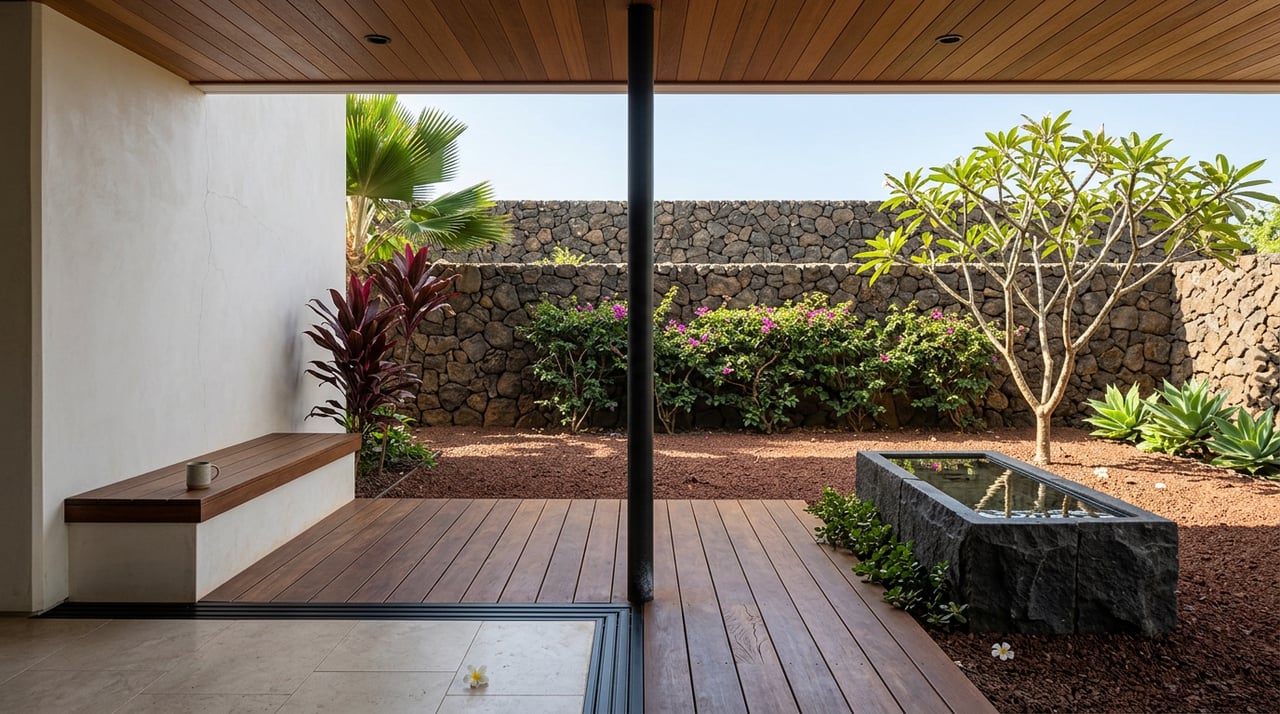
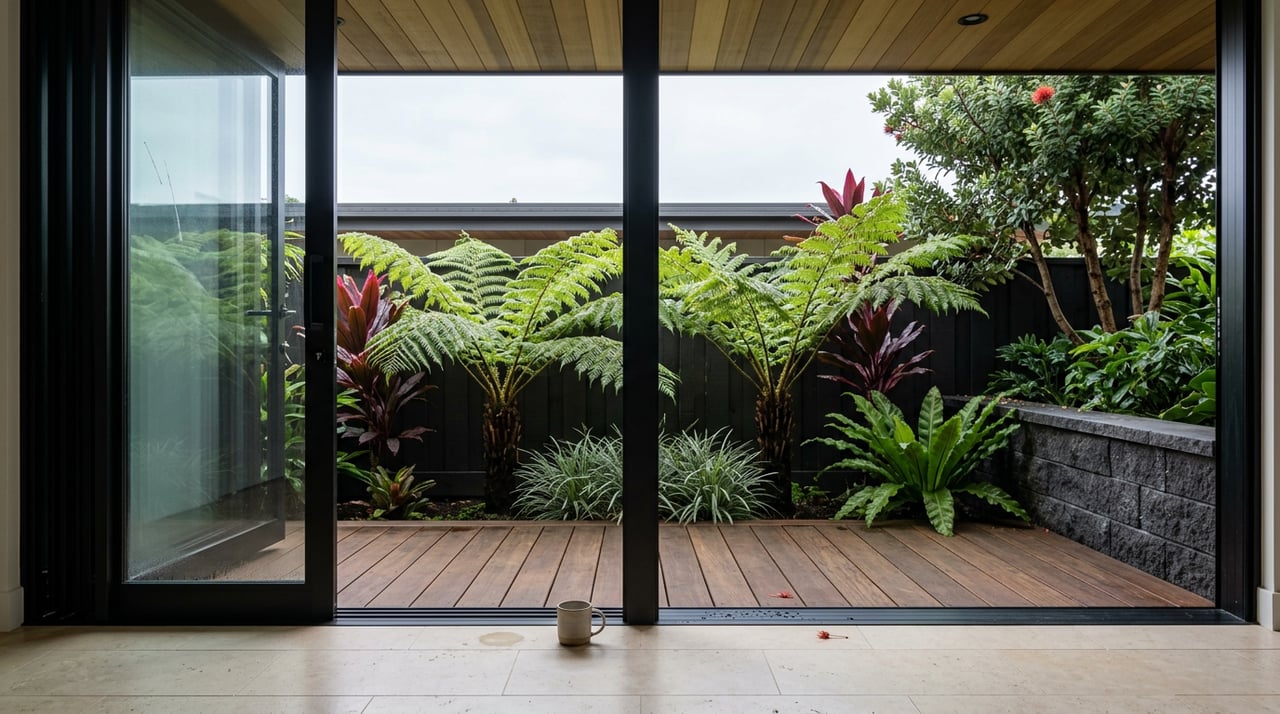
Windward wet: Hilo, Hāmākua, Puna
Expect frequent clouds, regular showers, and lush landscapes. Hilo and the Hāmākua coast are among the wettest settled areas on the island, with many rainy days each year per the Rainfall Atlas of Hawai‘i. Humidity runs higher, and vegetation grows fast.
What this means for you:
- Comfort: Natural airflow matters, but you may value dehumidification and homes with wide eaves and covered lanais.
- Gardening: Tropical fruits and ornamentals thrive. Good drainage and thoughtful plant choices help.
- Home features to prioritize: Vented roofs, durable exterior finishes, well-detailed gutters and drainage, and documented moisture management.
Leeward sunny: Kona, North and South Kohala
Days are sunnier with lower rainfall totals. Kailua-Kona and the Kohala resort coast are classic beach climates with strong solar potential. Upslope in the Kona coffee belt, afternoons often cloud up, so conditions can feel cooler and greener than the shoreline.
What this means for you:
- Comfort: Shade and cross-breezes can keep interiors cool with minimal mechanical cooling.
- Solar: Year-round sun boosts solar PV and solar water heating potential.
- Home features to prioritize: Shading on east and west windows, lanais, orientation for prevailing winds, and roof condition for future PV.
Upcountry cooler: Waimea, upland Kohala and Hualālai slopes
At roughly 2,600 to 2,800 feet, Waimea brings cool mornings, crisp evenings, and a country feel with moderate rainfall. Learn more about Waimea’s location context from Hawaii Star’s overview.
What this means for you:
- Comfort: Greater day-night temperature swings. Some homes use fireplaces or heat pumps for cool nights.
- Gardening: Temperate vegetables often do well; frost is rare but possible at higher spots.
- Home features to prioritize: Insulation and air sealing compared with coastal stock, and thoughtful window orientation for light and wind.
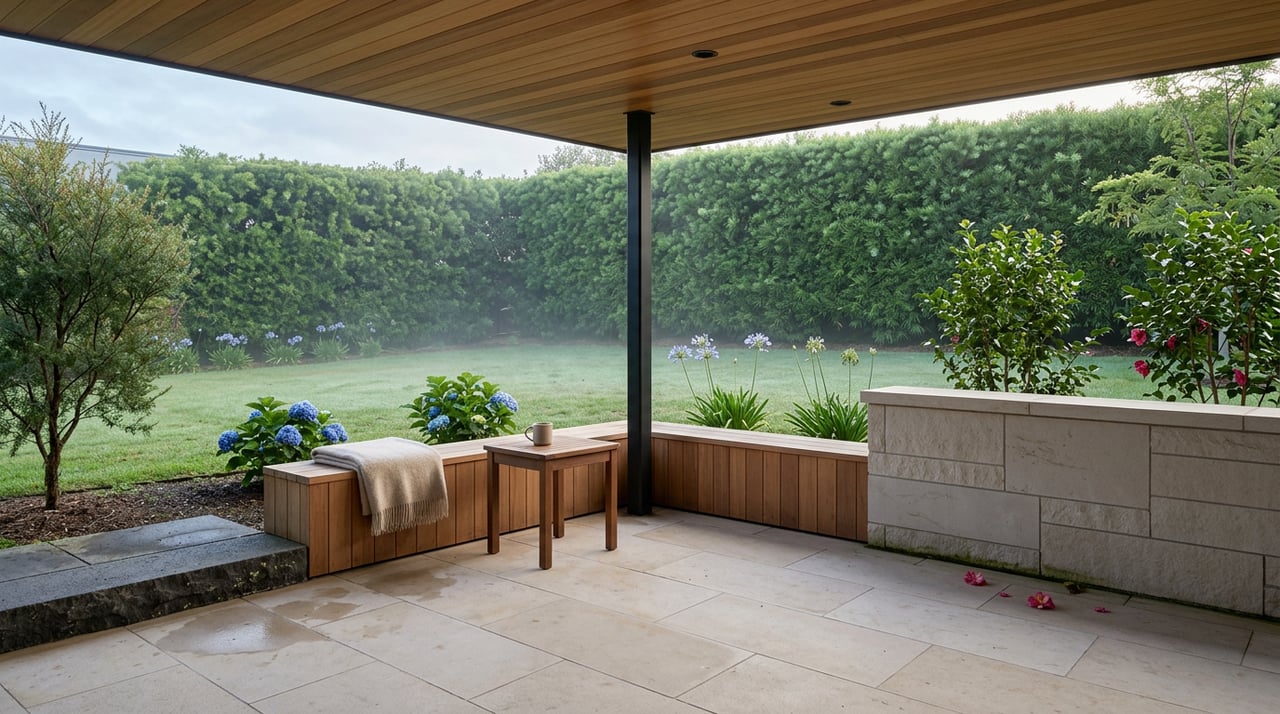
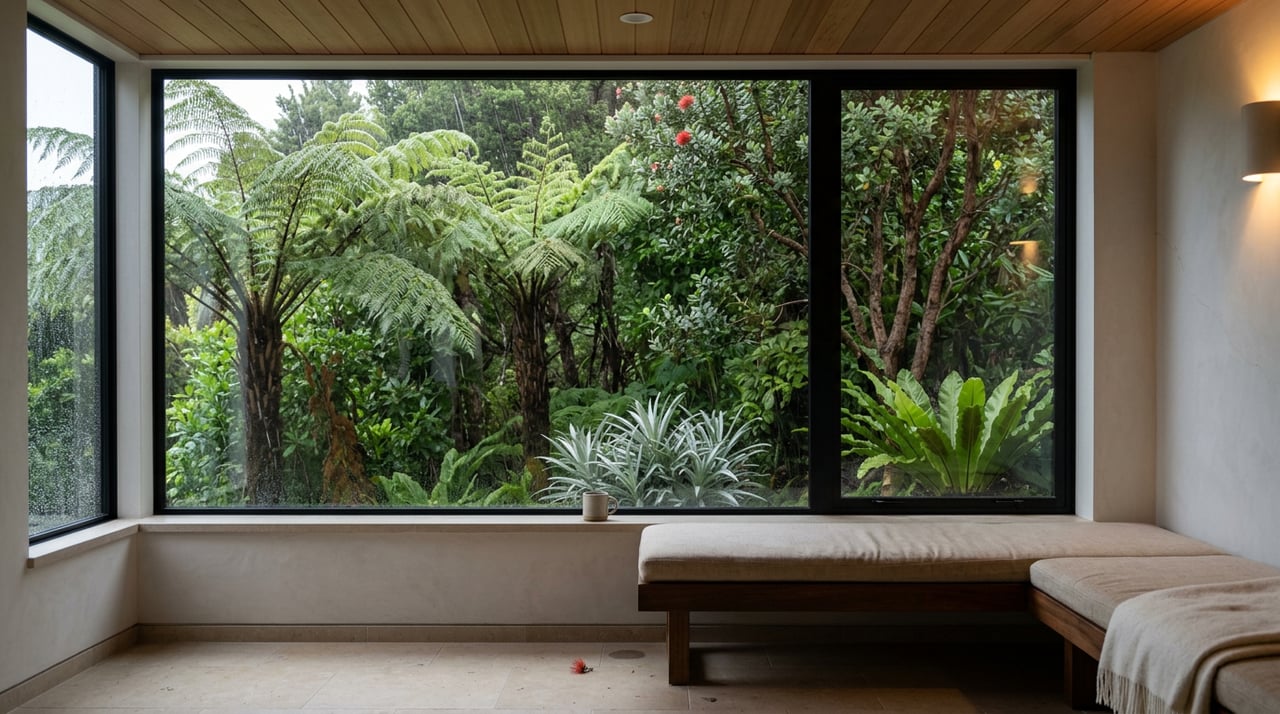
High elevation: Volcano and mid-slope forests
Volcano Village sits near 4,000 feet and is often 10 to 20 degrees cooler than the coast. Mist and fog are common, and some homes benefit from heating and extra moisture control. For a feel of typical conditions, see Hawai‘i Volcanoes National Park’s weather notes.
What this means for you:
- Comfort: Cozy interiors, frequent cool, damp conditions outside.
- Gardening: Cool-climate ornamentals and native forest species can thrive.
- Home features to prioritize: Insulation, controlled ventilation, careful moisture detailing, and protected outdoor spaces.
Lifestyle filters to guide your search
Want sun and strong solar?
Focus on Kona and Kohala coasts. These areas typically see more sun, which supports photovoltaics and solar water heating. For background on solar resources and PV comparisons, review the federal research links summarized under photovoltaics on Science.gov.
Checklist for showings:
- Roof age and condition for future PV.
- Shade from nearby trees or ridges.
- East-west window shading and cross-ventilation.
- Utility bills or past PV production, if available.
Love lush gardens and big greenery?
Windward Hilo and Hāmākua deliver moisture and growth. Match your plant palette to the site. The University of Hawai‘i’s Cooperative Extension keeps practical guidance on plant selection and site conditions at UH CTAHR’s plant resource page.
Checklist for showings:
- Drainage patterns and gutter performance.
- Covered lanais and eaves to enjoy rain days outside.
- Materials and finishes proven to handle frequent moisture.
- Yard access for ongoing landscape care.
Prefer crisp mornings and a country rhythm?
Upcountry Waimea and higher Kohala slopes bring cooler nights and a slower pace. Interiors often benefit from added insulation compared to coastal homes.
Checklist for showings:
- Heating provision, such as heat pump or fireplace.
- Window orientation for sun in cooler months.
- Weatherstripping and insulation quality.
- Storage for coats and outdoor gear.
Drawn to cool, misty forests and trail time?
Volcano and nearby mid-slopes feel worlds away, with mossy trees and cozy evenings. Plan for moisture-smart construction and surfaces that dry well between showers.
Checklist for showings:
- Attic and under-floor ventilation.
- Dehumidification options.
- Exterior cladding and paint systems suited for frequent wetting.
- Covered entries and durable walkways.
Energy, water, and maintenance essentials
Solar and passive comfort
Sunnier leeward zones tend to deliver the strongest year-round PV yield. Before you buy, get a site-specific assessment from a qualified installer, and use publicly available resources like those cataloged on Science.gov for photovoltaics. Across all climates, orient spaces for trade-wind ventilation, add shading where sun is strongest, and right-size insulation in cooler elevations.
Water supply and wastewater rules
In rural areas, some properties rely on rainwater catchment. Ask whether a home is on county water or private catchment, and review local rules for potable systems. Statewide, Hawai‘i is phasing out cesspools, and there is a Department of Health pilot program that may help with conversion costs. Check the latest details at the Hawai‘i DOH Cesspool Pilot Grant Program, and verify whether a property has a septic system or cesspool.
Building materials, salt, and pests
Coastal salt spray speeds up corrosion on roofing, railings, and HVAC components. Material choices and maintenance intervals should reflect that reality. For background on coastal durability considerations, see the U.S. Army Corps technical guidance hosted on Scribd.
Termites are part of island living and can cause serious structural damage if ignored. Learn the basics of species and prevention from the UH CTAHR Termite Project, and always request recent inspection reports.
Map checks and risk awareness
Microclimate is only part of the due diligence. Flood status and lava hazard zones affect insurance, financing, and long-term planning. Ask your agent to pull FEMA flood information and the parcel’s USGS Hawaiian Volcano Observatory hazard context. For a clear explainer on how air, land, and topography shape island conditions, see this USGS HVO overview.
If you are eyeing rural or coastal areas, confirm wastewater type, whether you are in a Department of Health priority area for cesspool conversion, and any county planning overlays that apply.
Your open house microclimate checklist
Bring this short list to every showing:
- Exact micro-location and elevation. A few hundred feet can change temperature and cloud cover. Use the Rainfall Atlas of Hawai‘i to compare nearby zones.
- Roof age and condition. Look at eaves, gutters, and flashings for signs of leaks or rot.
- Ventilation and shading. Confirm cross-breezes, overhangs, and window orientation.
- Moisture and pests. Check foundation vents, attic ventilation, and look for termite tubes.
- Water and wastewater. Ask about county water vs. catchment, and whether the home has septic or a cesspool.
- Solar potential. Note shading from trees or ridges and roof space for panels.
- Hazard context. Ask for flood zone, lava hazard notes, and typical insurance implications.
A local partner who plans around microclimate
Every move on Hawai‘i Island is personal, and every property sits in a unique slice of weather. When you have an experienced guide, you can choose a home that fits your sun, garden, and comfort priorities without surprises later. If you are weighing Hilo rain, Kona sun, Waimea cool, or Volcano’s mist, let’s map options that match how you want to live. Start your island plan with Nate Gaddis and the Wai Pacific team.
FAQs
How do Hilo and Kona climates differ for homebuyers?
- Hilo is typically wetter and more humid with frequent showers, while Kona’s coast is sunnier and drier, though upslope Kona gets afternoon clouds. Plan for moisture management in Hilo and solar-readiness in Kona, as outlined by the Rainfall Atlas of Hawai‘i.
How does elevation change temperature on the Big Island?
- Higher elevations are cooler, and a trade-wind inversion often makes mid-slopes wetter than summits. Expect cooler nights in Waimea and Volcano and plan for insulation or heating if you prefer warmer interiors.
Do I need heating or AC in Waimea or Volcano?
- Many upcountry and Volcano homes add heating for cool nights, while thoughtful shading and cross-ventilation can reduce AC use elsewhere. Verify insulation, window orientation, and any existing heat pumps or fireplaces.
What should I know about cesspools and septic in Hawai‘i County?
- Hawai‘i is phasing out cesspools, and some properties may qualify for assistance to convert. Confirm the system type during due diligence and review current guidance at the DOH Cesspool Pilot Grant Program.
How do lava hazard zones affect insurance and loans?
- Hazard zones can influence insurance availability and financing terms. Ask your agent to check USGS HVO context and typical insurer responses for the parcel so you can budget accurately.