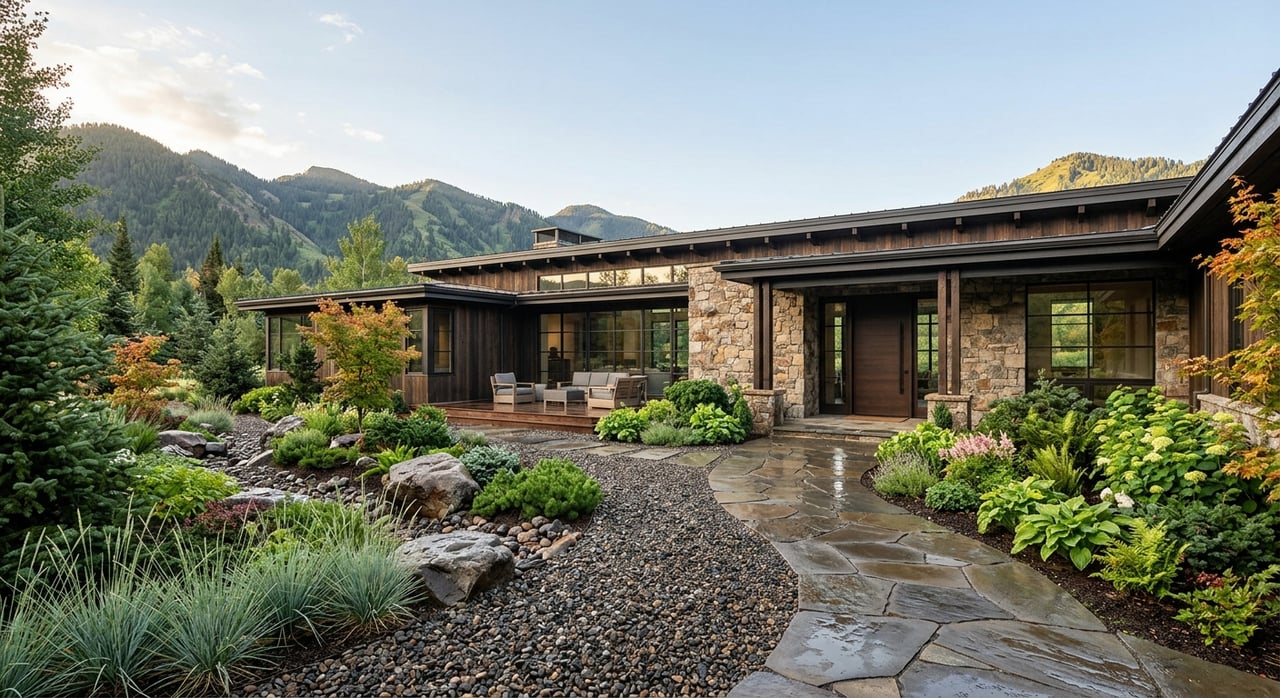
Ever wish you could enjoy Hawaiʻi living with cool mornings, green hills, and a true sense of seasonal rhythm? If Kamuela has caught your attention, you are probably drawn to more than just scenery. You are looking for a lifestyle that feels grounded, comfortable, and connected to the land. This guide will help you understand how life in Kamuela shifts through the year and what that can mean when you are thinking about buying or selling here. Let’s dive in.
Why Kamuela Feels Different
Kamuela, also known as Waimea, has a distinct upcountry feel that sets it apart from many other Big Island communities. The town sits in an elevated part of Hawaiʻi Island, and Waimea-Kohala Airport is about 2,671 feet above sea level. That elevation plays a big role in how the area looks, feels, and lives day to day.
Hawaiʻi’s climate is shaped by trade winds, mountains, and elevation. Across the islands, temperatures generally drop about 3 degrees for every 1,000 feet of elevation. In practical terms, that helps explain why Kamuela often feels cooler and breezier than lower coastal areas.
Local planning documents describe Waimea as cool, moist, and windy, with temperatures usually in the 60s and 70s. Mean highs tend to land in the 70s to 80s, while mean lows can dip into the upper 40s. Annual rainfall is roughly 20 to 30 inches and is spread fairly evenly through the year.
Seasons in Kamuela
Summer Feels Steadier
In Hawaiʻi, summer generally runs from May through October. NOAA notes that this season is usually steadier overall, with warm conditions and fewer stormy stretches than winter. In Kamuela, summer is less about extreme heat and more about comfortable afternoons, bright skies, and reliable outdoor time.
Because of the elevation, summer in Kamuela can still start with a light jacket in the morning. As the day warms up, many people find the climate comfortable for time on the lanai, yard work, or getting into town for weekend activities. If you are moving from a hotter part of the island or the mainland, this steady pattern can be a big draw.
Winter Brings More Clouds and Rain
Winter in Hawaiʻi generally runs from October through April. NOAA notes that winter brings more clouds and rainstorms across the islands. In Kamuela, that often shows up as cooler mornings, more frequent showers, and a little more movement in the wind.
The coolest months are often February and March, while the warmest are usually August and September. That gives Kamuela a longer cool-season feel than many coastal Big Island areas. If you enjoy a place where the seasons are noticeable without being harsh, this is a big part of the appeal.
Seasonal Change Is Subtle but Real
Kamuela does not have dramatic four-season swings like many mainland places. Instead, the changes are more about cloud cover, breeze, and shower frequency. That softer seasonality is one reason the area feels so livable year-round.
For buyers, this matters because the home that feels great on a sunny afternoon should also feel comfortable on a windy morning or a damp winter day. For sellers, it is a reminder that the way a property handles weather is part of its story.
Outdoor Living Through the Year
Wind Protection Matters
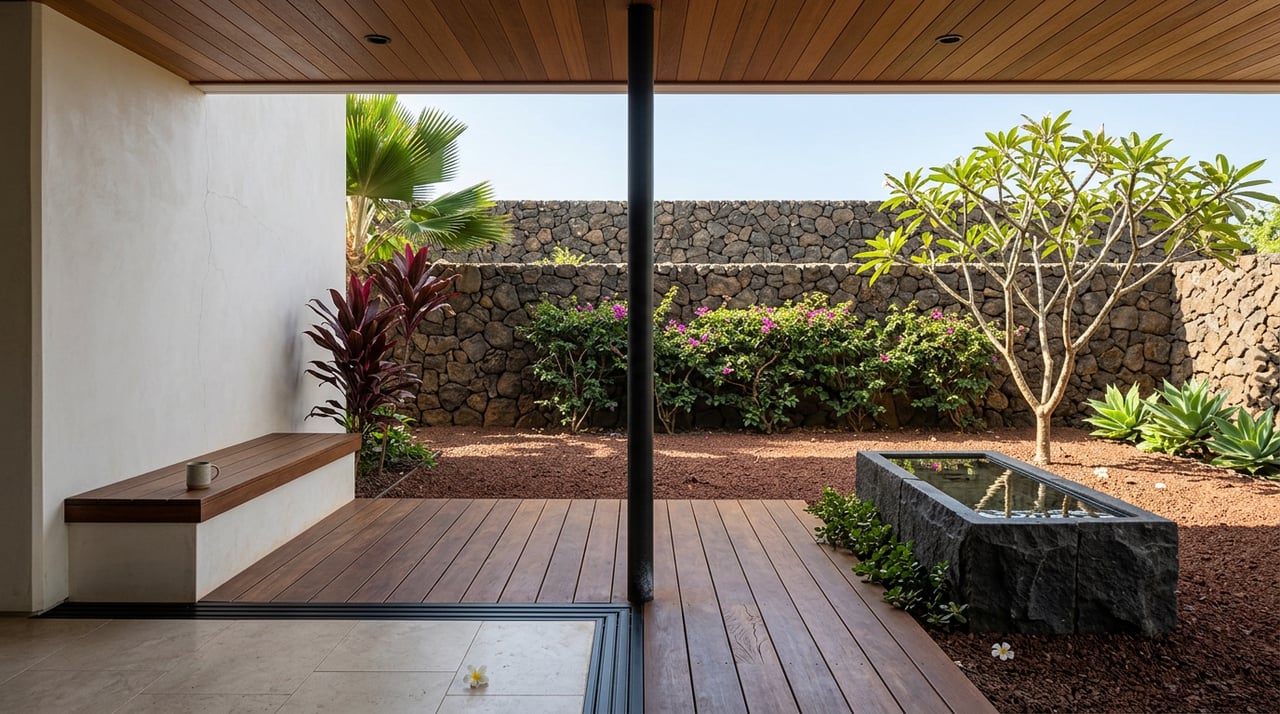
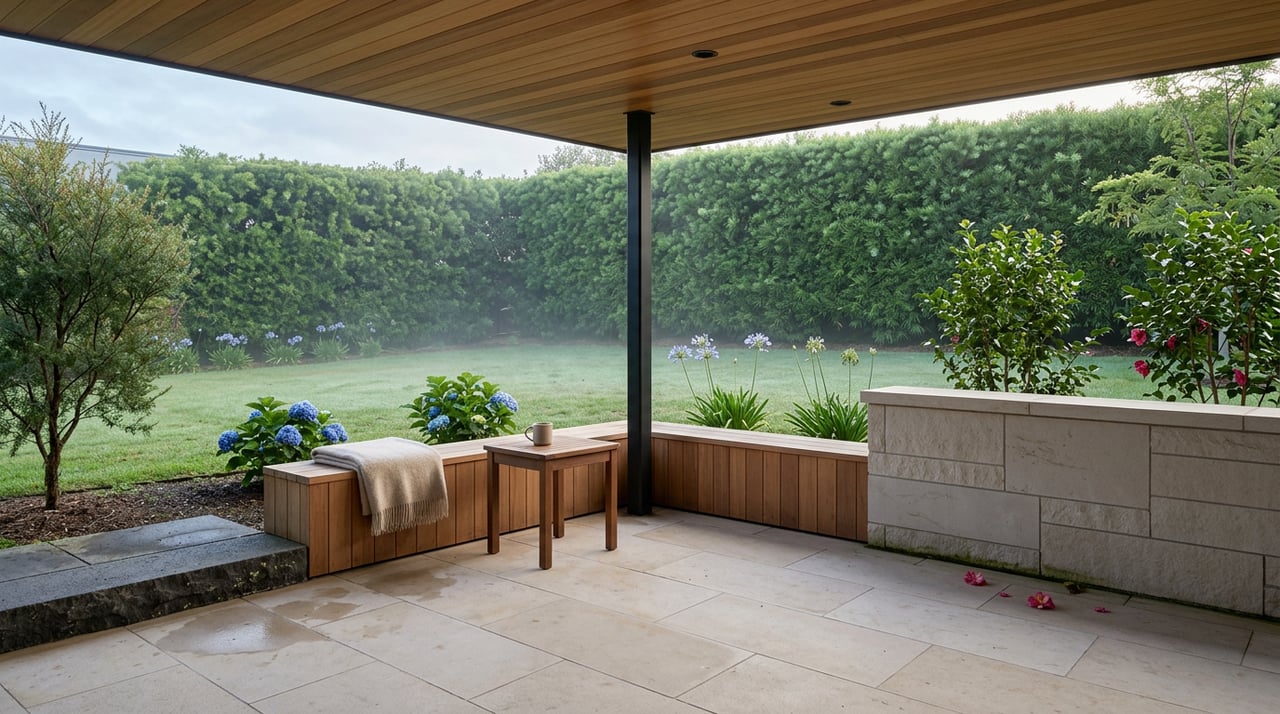
If you picture life in Kamuela, chances are outdoor space is part of that vision. A lanai, a garden, or a yard can add a lot to daily life here. But in an upcountry setting, exposure matters.
Guidance from CTAHR for Hawaiʻi garden sites highlights three basics: water access, good sun exposure, and wind protection. That advice lines up well with what many people experience in Kamuela. A sheltered outdoor area often feels more flexible and comfortable than one that is open to constant wind.
Gardens Need a Thoughtful Setup
CTAHR also notes that the southwest side of a home is often a strong garden area, that windbreaks can be planted, and that pots work well for leafy greens and compact vegetables. Spring is described as an especially good gardening season because of longer days and spring rains. In a place like Kamuela, that practical setup can make a big difference.
If you are comparing properties, it helps to look beyond curb appeal. A protected planting area, a workable irrigation plan, and usable sun exposure may matter just as much as the size of the lot. Larger land can offer more possibilities, but it may also ask more of you in maintenance and water management.
Everyday Use Beats Paper Potential
Some properties look great in listing photos but feel different once you factor in wind, moisture, and how you actually want to use the land. In Kamuela, a home with a covered lanai and a sheltered yard may fit your lifestyle better than a more exposed parcel with more raw space. That is especially true if you want easy outdoor dining, container gardening, or low-key time outside through the year.
This is where local guidance becomes valuable. Property fit in Kamuela is often about matching the land and microclimate to your routine, not just checking off square footage.
The Community Rhythm of Kamuela
Markets Add Year-Round Energy
One of the best parts of living in Kamuela is that the town has a steady community rhythm. The Waimea Town Market is open every Saturday from 7:30 a.m. to noon, year-round, in the heart of Waimea on the Parker School campus. The market features more than 50 vendors and includes local produce, meats, cheeses, coffee and tea, baked goods, artisan wares, plants, and other Big Island products.
There is also a strong market tradition at Pukalani Stables. The Kamuela Farmers Market runs on Saturdays from 7:30 a.m. to 1:00 p.m., and the Pukalani Midweek Market takes place on Wednesdays. These markets include local produce, flowers, crafts, prepared foods, live music, and a strong paniolo heritage atmosphere.
For many buyers, this kind of weekly rhythm matters. It gives you a sense of place that goes beyond the property line. It also helps explain why homes with convenient access to town appeal to people who want a connected, low-fuss lifestyle.
Annual Events Shape the Calendar
Kamuela’s seasonal identity is also tied to annual events. The Cherry Blossom Heritage Festival takes place each February and includes activities such as cultural performances, bonsai, tea ceremony, cooking demonstrations, mochi pounding, and town shuttle service. It is one of the clearest markers of the winter season in town.
Summer brings another signature tradition with Parker Ranch’s July 4th Rodeo and Horse Races. This event is closely tied to Waimea’s paniolo culture and remains a major part of the area’s identity. In December, Waimea’s Christmas Parade adds another strong seasonal tradition, with lighted truck entries and broad community participation.
These events give the year shape. If you are considering Kamuela, they offer a real glimpse into how the town lives across the seasons.
What Buyers Should Notice
Town-Center Homes
If you want to be close to markets, events, and day-to-day conveniences, a home near town may be a strong fit. Year-round activity in the commercial center makes this option appealing for buyers who value walkable routines and easier access to community life. Smaller lots can also mean less outdoor upkeep.
Homes With Sheltered Outdoor Space
If gardening or outdoor living is high on your list, pay close attention to layout and protection. Look for lanais, yard zones with some shelter, and practical water access. In Kamuela, outdoor comfort often comes down to smart positioning more than sheer lot size.
Larger Parcels and Pastoral Settings
If you are drawn to more privacy, hobby agriculture, or a ranch-country setting, larger acreage may offer the lifestyle you want. At the same time, these properties usually require more planning around irrigation, windbreaks, and ongoing maintenance. The tradeoff can be worth it, but it helps to go in with clear expectations.
What Sellers Can Highlight
If you are selling in Kamuela, the seasonal story of your property can be a real advantage. Buyers are often looking for a home that fits the climate, not just the map. Features like a protected lanai, useful garden areas, a thoughtful yard layout, or convenient access to town can carry a lot of weight.
This is also where presentation matters. Showing how a property lives through cool mornings, breezy afternoons, and year-round outdoor use can help buyers understand its value more clearly. For a place like Kamuela, strong marketing is not only about beauty. It is about helping people see lifestyle fit.
Why Seasonality Matters in Real Estate
Kamuela’s appeal is not only that it is cooler than other parts of Hawaiʻi Island. It is the combination of elevation, ranch-country heritage, year-round markets, and a climate that rewards thoughtful outdoor design. That mix gives the area a character that is both peaceful and active.
When you understand how the seasons shape everyday life, you can make better real estate decisions. You can focus on the kind of property that supports the way you want to live, whether that means a town-centered home, a garden-friendly retreat, or a larger parcel with room to spread out.
If you are exploring Kamuela real estate and want local insight into how a property fits your goals, Nate Gaddis can help you navigate the details with clear, place-based guidance.
FAQs
What is the climate like in Kamuela, Hawaiʻi?
- Kamuela, also called Waimea, is known for a cool, moist, and windy upcountry climate, with temperatures often in the 60s and 70s and cooler mornings than many coastal Big Island areas.
What are the seasons like in Kamuela?
- Kamuela has two broad seasons, with summer from May to October generally feeling steadier and winter from October to April bringing more clouds, showers, and cooler conditions.
What should buyers look for in a Kamuela property?
- Buyers should pay attention to wind protection, sun exposure, water access, and how usable the outdoor space feels throughout the year.
Are there farmers markets in Kamuela year-round?
- Yes, the Waimea Town Market runs every Saturday year-round, and the Kamuela Farmers Market at Pukalani Stables also operates on Saturdays, with a midweek market on Wednesdays.
What annual events shape life in Kamuela?
- Kamuela’s yearly rhythm includes the Cherry Blossom Heritage Festival in February, Parker Ranch’s July 4th Rodeo and Horse Races in summer, and the Waimea Christmas Parade in December.