Wondering whether Volcano or Hilo is the better place to put down roots on Hawaiʻi Island? It is a smart question, because these two east-side locations can feel worlds apart even though they serve many of the same buyers. If you are trying to choose between a cooler rainforest village and a warmer in-town hub, this guide will help you compare lifestyle, climate, convenience, and housing patterns so you can decide with more confidence. Let’s dive in.
Volcano vs Hilo at a Glance
Choosing between Volcano and Hilo often comes down to one core question: do you want the rainforest to be the main event, or do you want it nearby while daily life stays more convenient?
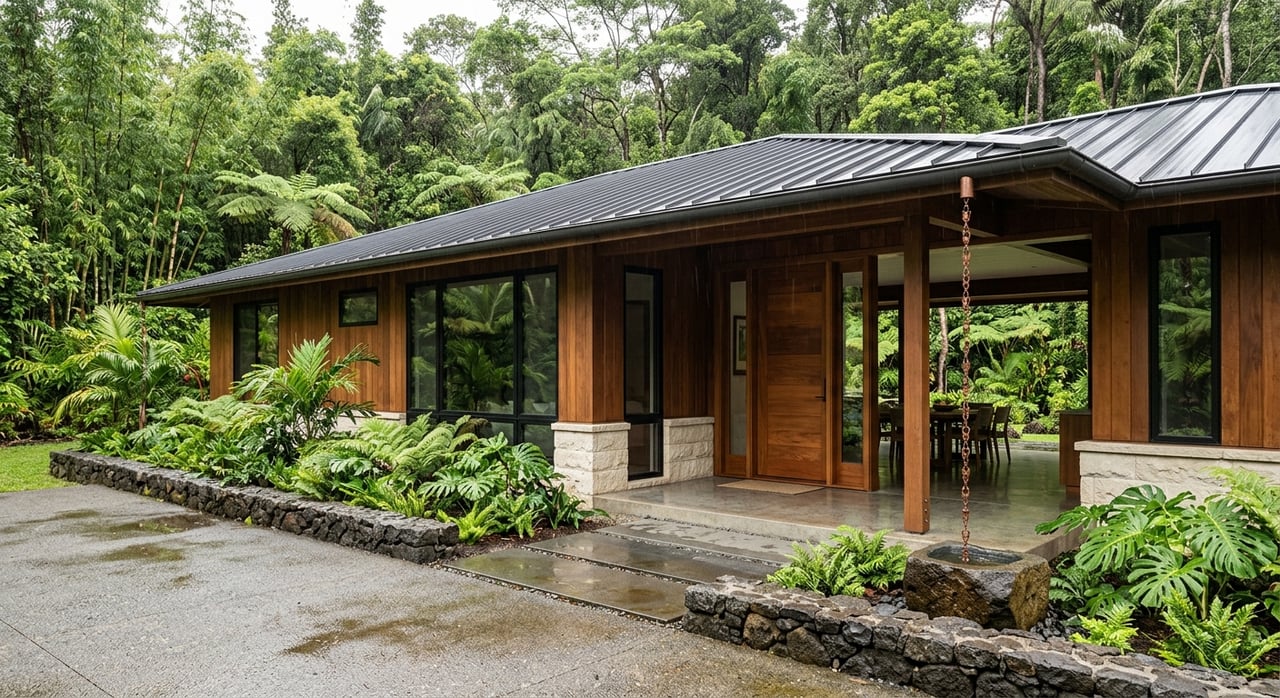
Volcano is the smaller, quieter option. Census data shows just 746 residents and 525 housing units, which gives it a distinctly rural feel. It sits in a lush upland setting near Hawaiʻi Volcanoes National Park, where rainforest is part of the everyday landscape.
Hilo is much larger and functions as the east side’s service center. The Census Bureau lists Hilo at 44,186 people, and the presence of Hilo International Airport reinforces its role as a regional hub. If Volcano feels like a forested base camp, Hilo feels like a working town with more built-in access to daily needs.
Climate and Setting
Volcano feels cooler and elevated
If weather shapes your daily comfort, this difference matters right away. NOAA climate normals show a mean annual temperature of 61.7°F near Volcano at the Hawaiʻi Volcanoes National Park headquarters station, which sits at 3,971 feet above sea level.
That cooler temperature changes the feel of everyday life. Volcano tends to feel misty, forested, and more elevated, with a true upland atmosphere that many buyers love for its calm and privacy.
Hilo feels warmer and wetter
Hilo has a different climate pattern. NOAA data at Hilo International Airport shows a mean annual temperature of 74.0°F and annual precipitation of 120.39 inches.
In practical terms, Hilo is warmer than Volcano and also wetter overall. If you prefer a more tropical, coastal-town feel with easier access to services, that may work in Hilo’s favor.
Both places are rainy
Neither location is dry, and that is part of what creates the green landscape people are drawn to on this side of the island. Volcano receives 96.24 inches of annual precipitation based on NOAA normals, so even though it is less rainy than Hilo by the numbers, it still feels very much like a rainforest setting.
If you are moving from a drier climate, it helps to think beyond the numbers. The real difference is not just rainfall totals. It is the feel of the place: cool and upland in Volcano, warm and in-town in Hilo.
Daily Life and Convenience
Volcano supports a simpler routine
Volcano can cover some basics, but it is not built around one-stop convenience. Community life centers around places like Cooper Center, which the Volcano Community Foundation describes as a long-time gathering place for craft sales, meetings, farmers markets, food distribution, public Wi-Fi, and community events.
The area also has a post office and a local school serving PreK through 12. For many buyers, that points to a place where daily life feels small-scale and community-based rather than fast-moving or highly commercial.
Hilo offers more everyday access
If convenience is a high priority, Hilo has the stronger service network. The city includes Hilo International Airport, Hilo Benioff Medical Center, UH Hilo, Hawaiʻi Community College, KTA supermarkets, and Prince Kūhiō Plaza.
That adds up to easier errands, more retail options, and quicker access to healthcare and transportation. Hilo Benioff Medical Center’s emergency department is open 24 hours and operates as a Level III Trauma Center, which can be an important factor for many households.
Errands are easier in Hilo
The difference becomes especially clear when you think about weekly routines. Hilo has regular grocery access through KTA locations and a downtown farmers market listed on the state farmers-market schedule.
Volcano’s market activity is more local and event-driven, with community gathering spaces doing more of the work. If you are comfortable planning around limited nearby options, Volcano may feel charming. If you want errands to be straightforward, Hilo likely fits better.
Housing Patterns and Value
Volcano is not automatically the cheaper option
It is easy to assume rural means lower cost, but the data does not support that as a rule here. Volcano’s ACS profile shows a median value of owner-occupied homes of $574,500.
That estimate comes from a small sample and should be read as directional, not exact. Still, it tells you something important: buyers in Volcano may be paying for privacy, detached homes, larger-feeling surroundings, and proximity to Hawaiʻi Volcanoes National Park.
Hilo offers a broader housing mix
Hilo’s housing market appears larger and more varied. Census QuickFacts shows a median value of owner-occupied housing units of $483,000, along with an owner-occupied housing rate of 66.1 percent.
That suggests a market with more housing variety and more overall activity. For buyers comparing options at a given price point, Hilo may offer a different balance of home type, location, and convenience.
Lifestyle affects what value means
This is where the decision gets personal. The same budget may buy a very different experience in Volcano than in Hilo.
In Volcano, your money may be buying atmosphere, privacy, and a strong connection to the forested upland setting. In Hilo, your money may go toward easier access to stores, healthcare, the airport, and town services. Neither is better across the board. It depends on what matters most to you.
Who Usually Prefers Volcano
Some buyers know right away that Volcano is their place. If you want a slower pace, cooler temperatures, and a setting where the rainforest feels like part of your home life, Volcano often stands out.
It tends to appeal to buyers who are comfortable with a village-style routine and who do not need every errand to be quick or nearby. The setting itself is a major part of the draw, especially for those who want to live closer to Hawaiʻi Volcanoes National Park and enjoy a more tucked-away atmosphere.
Volcano may be a strong fit if you are looking for:
- A quieter, more rural setting
- Cooler upland weather
- A detached-home feel with a strong sense of privacy
- A community-centered daily rhythm
- Close proximity to the national park
Who Usually Prefers Hilo
Hilo is often the better match for buyers who want more convenience without leaving east Hawaiʻi. It offers a fuller range of services and a more town-like daily routine.
For some households, that practical side matters more than the romance of a more secluded setting. Access to the airport, hospital, college campuses, grocery stores, and retail can make a big difference in long-term livability.
Hilo may be a strong fit if you are looking for:
- Easier day-to-day errands
- Quicker access to healthcare
- Airport access on the east side of the island
- More retail and grocery options
- A larger, more mixed housing market
Volcanic Setting Matters in Volcano
Volcano sits in an active volcanic landscape, and that is part of the reality of buying there. The National Park Service emphasizes the dynamic nature of the area around Kīlauea and Mauna Loa, which means buyers should approach the market with clear eyes and careful due diligence.
That does not mean Volcano is off the table. It simply means your decision should include a thoughtful review of location-specific factors that may matter more here than in a typical mainland market.
This is one reason local guidance is so valuable. A place-based decision on Hawaiʻi Island is rarely just about square footage or price. It is also about understanding the setting, the tradeoffs, and how your day-to-day life will feel once you are there.
How to Choose Your Rainforest Home Base
If you are stuck between the two, try asking yourself a few practical questions. Your answers usually make the choice clearer.
Ask yourself:
- Do you want a rural village feel or a town environment?
- Would you rather have cooler weather or warmer temperatures?
- How important is quick access to groceries, healthcare, and retail?
- Do you want the rainforest to be the destination or the backdrop?
- Are you comfortable with a more limited local service network?
A simple way to frame it is this: Volcano is often the better fit if you want the rainforest to be the destination. Hilo is often the better fit if you want the rainforest as the backdrop to a more convenient daily life.
Choosing between these two east-side markets is not just about comparing homes. It is about matching your lifestyle to the right setting. If you want help weighing the tradeoffs, learning how your budget may play out in each area, or narrowing down the neighborhoods and property types that fit your goals, Nate Gaddis can help you make a more informed move.
FAQs
What is the main lifestyle difference between Volcano and Hilo?
- Volcano offers a smaller, more rural rainforest setting, while Hilo offers a larger town environment with more services, shopping, healthcare, and transportation access.
Is Volcano cooler than Hilo on Hawaiʻi Island?
- Yes. NOAA climate normals show a mean annual temperature of 61.7°F near Volcano compared with 74.0°F at Hilo International Airport.
Does Hilo get more rain than Volcano?
- Yes. NOAA data shows annual precipitation of 120.39 inches in Hilo and 96.24 inches near Volcano, though both locations are very rainy and lush.
Is Volcano less expensive than Hilo for homebuyers?
- Not necessarily. Census-based estimates show a median owner-occupied home value of $574,500 in Volcano and $483,000 in Hilo, though Volcano’s figure comes from a small sample and should be treated as directional.
What kinds of homes are common in Volcano?
- Census Reporter indicates that about 98 percent of housing units in Volcano are single-unit structures, which supports the area’s detached-home, land-oriented feel.
Why do buyers consider Hilo for convenience on the Big Island?
- Hilo offers access to the airport, hospital, university, community college, supermarkets, a large retail center, and a downtown farmers market, making everyday errands and services easier to reach.
What should buyers understand about buying a home in Volcano?
- Buyers should understand that Volcano is part of an active volcanic landscape, so location-specific due diligence is an important part of the decision-making process.