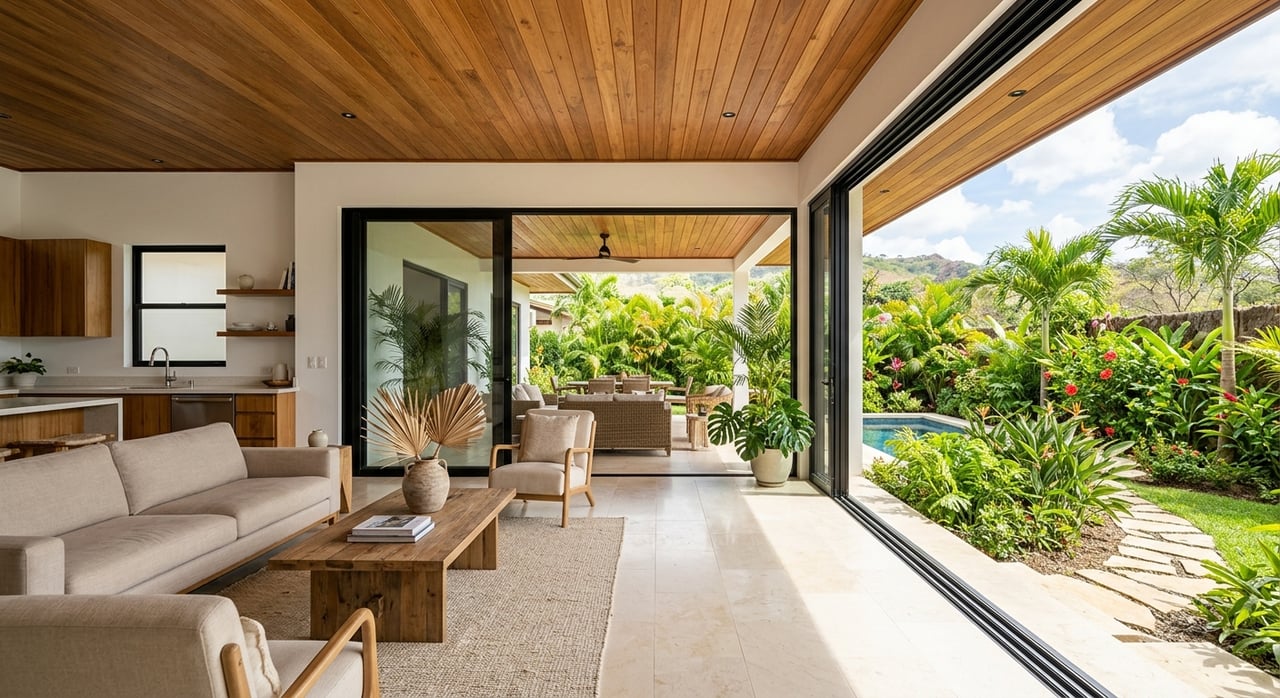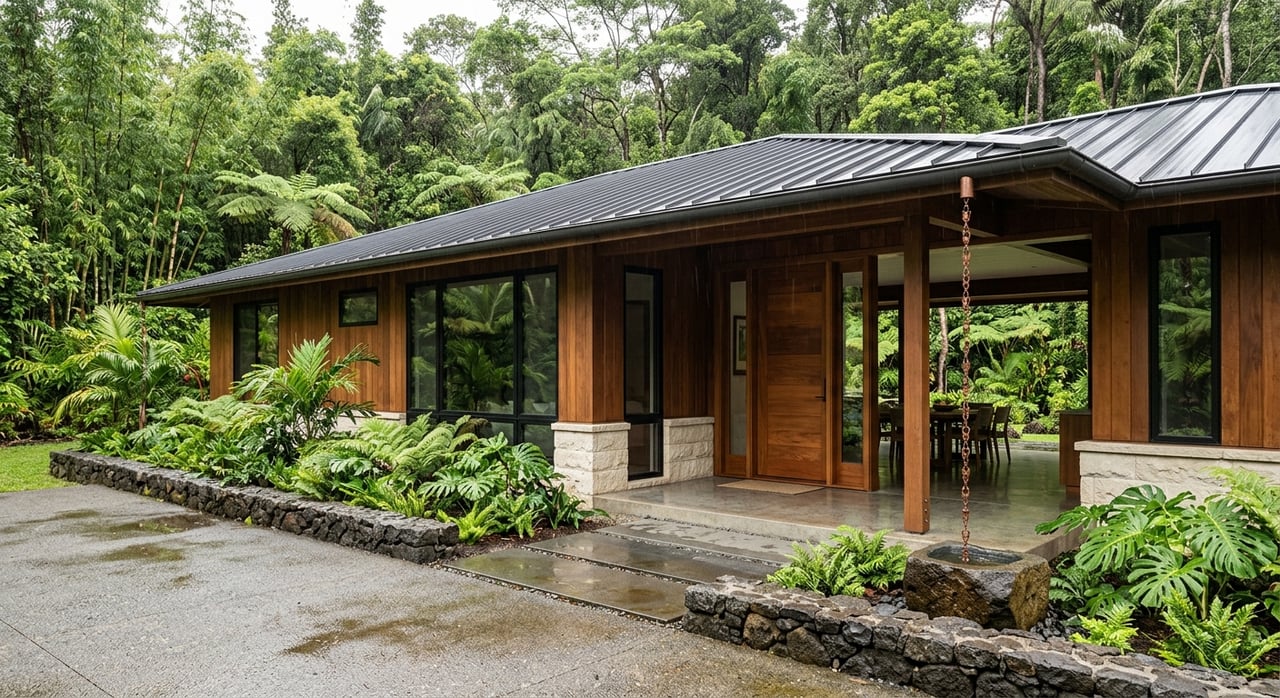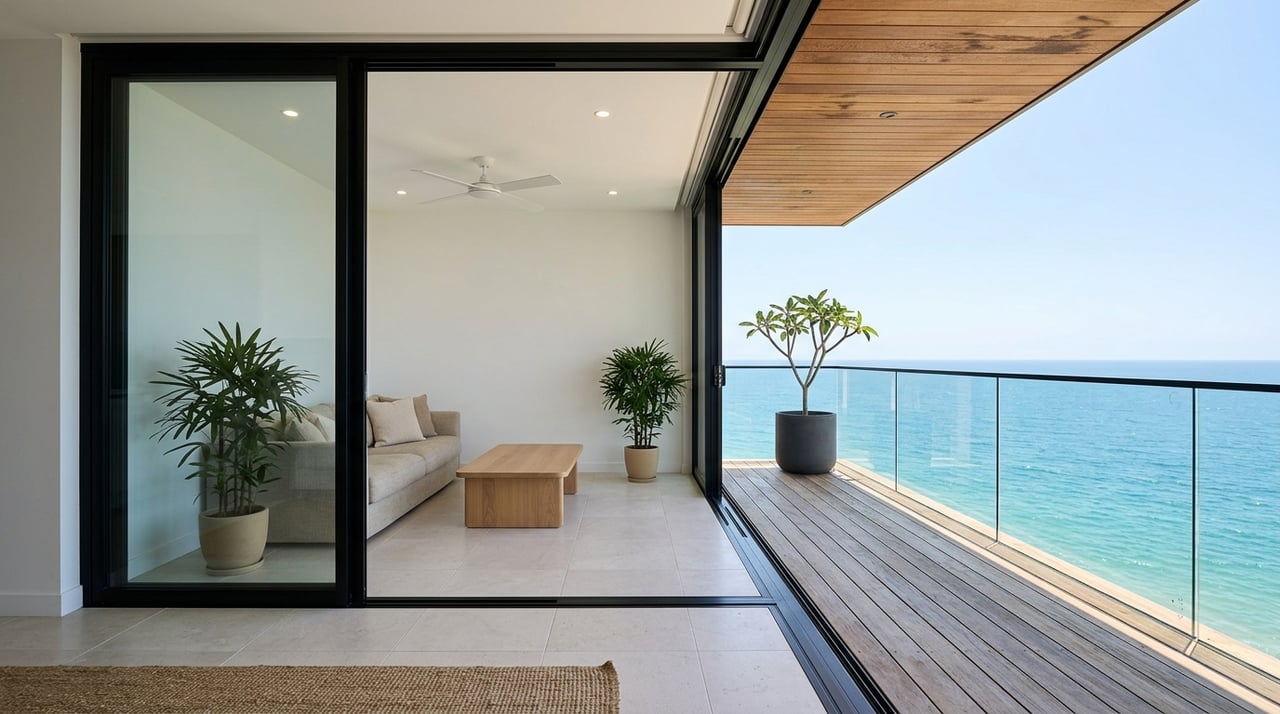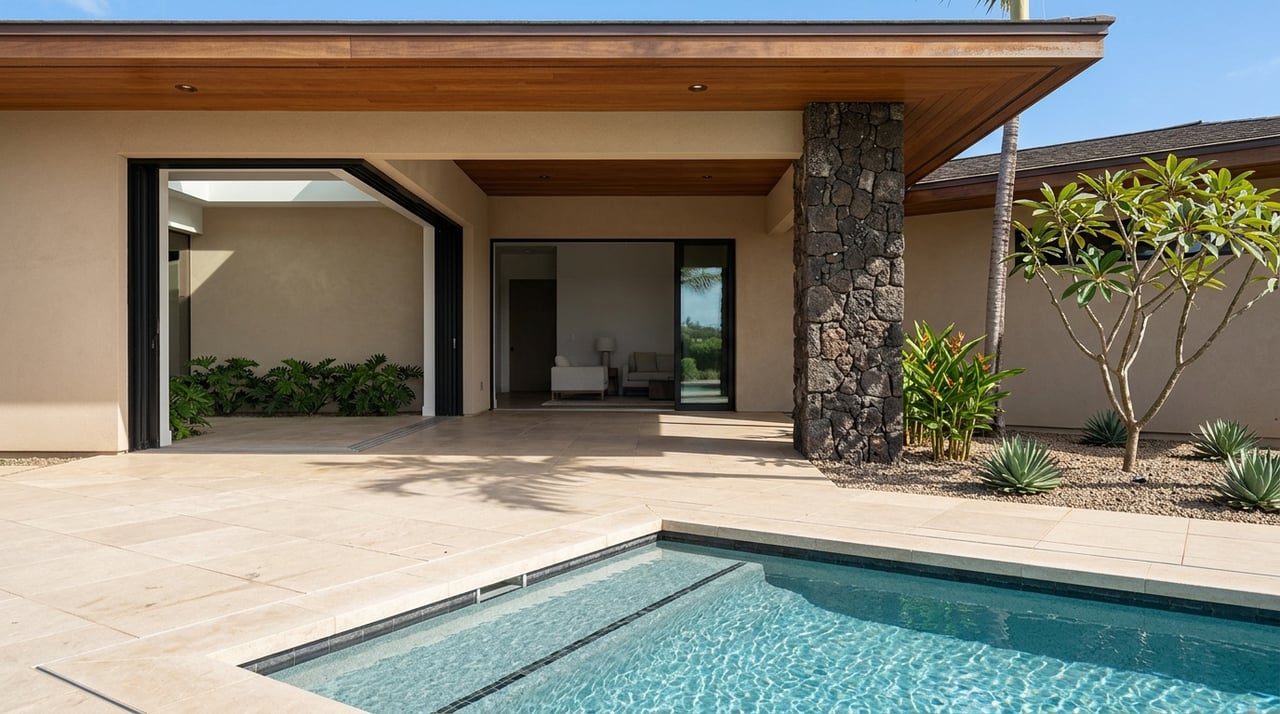
If you are thinking about selling in Kailua-Kona, timing matters, but probably not in the way you think. On the Kona Coast, the question is usually less about weather and more about when buyers are paying attention, when visitors are on island, and whether your home is truly ready to make a strong first impression. If you want to choose a listing window with real strategy behind it, this guide will walk you through the best times to list, what can affect your timeline, and how to plan your launch with confidence. Let’s dive in.
Why timing works differently in Kailua-Kona
Kailua-Kona is not a market where harsh winters or long rainy seasons usually control the selling calendar. The Kona Coast is known for sunny, dry conditions and generally mild temperatures, so sellers often have more flexibility than they would in many mainland markets.
That said, flexibility does not mean every month performs the same. In Kailua-Kona, buyer activity is often shaped more by visitor patterns, seasonal travel, and how well a home is prepared before it hits the market.
Current market pace also supports a thoughtful approach. In March 2026, Redfin reported that Kailua-Kona homes were selling in about 124 days on average, and the market was described as not very competitive. That means pricing, presentation, and launch timing can all have a meaningful impact.
Best time to list in Kailua-Kona
For most sellers, the strongest overall listing window is late February through April. If you want to narrow that down even further, March and early April look like the most practical target.
This timing lines up with two helpful factors. First, it catches the tail end of stronger winter visitor activity on Hawaiʻi Island. Second, it overlaps with the broader spring selling cycle, when many buyers are already active and watching new listings.
National spring selling trends are not the whole story in Hawaiʻi, but they still offer useful context. Realtor.com’s 2026 research identified April 12 through 18 as the national peak week to sell, with stronger views and faster sales than a typical week. For Kailua-Kona sellers, that supports spring as a smart default window, especially when paired with local visitor demand.
Why spring is often the safest bet
Spring tends to offer the best balance of visibility and practicality. You may benefit from active buyer traffic without dealing with as many holiday scheduling conflicts or event-related slowdowns.
It also gives you a clearer runway for preparation. If you start getting your home ready in winter, you can often launch in spring with repairs completed, photos scheduled, staging in place, and pricing dialed in before the busiest weeks arrive.
For many homeowners, that combination makes spring the most reliable choice. It is not a magic formula, but it is often the most balanced answer.
Second-best listing window in Kailua-Kona
A strong secondary window is late November through December. This period can be especially useful if your property may appeal to second-home buyers, relocation buyers, or people already spending time on the island during the busier winter season.
DBEDT visitor data shows a clear increase in Hawaiʻi Island visitor presence during this part of the year. The average daily visitor census was 43,431 in December 2025 and 41,286 in January 2026, compared with 28,187 in September 2025 and 31,225 in November 2025. In simple terms, there are meaningfully more people on island during winter than in the fall shoulder season.
More people on island does not guarantee a sale, but it can create more opportunities for exposure. That can matter in a market like Kailua-Kona, where lifestyle appeal and second-home interest often play a role.
The tradeoffs of a holiday-season launch
Late November and December can work well, but they come with a few challenges. Travel schedules, holiday plans, and end-of-year decision fatigue can slow down buyer response, even when visitor counts are high.
This is why that window tends to work best when your home is already fully prepared and priced realistically from day one. If you are still juggling repairs, cleaning, photography, or strategy in mid-December, it may be smarter to wait and launch cleanly in late February or March.
Can July be a good time to list?
Yes, July can be a solid alternative, but it is usually not the top choice for most sellers. Visitor traffic is also strong in summer, which can help bring more attention to new listings.
Still, July is generally better viewed as a backup to spring rather than the best default month. If you missed the spring window or need extra time to prepare your home properly, July can make sense.
In most cases, a polished July launch is better than a rushed spring one. In a market where homes can take time to sell, preparation often matters more than trying to force a perfect calendar date.
How tourism affects home-selling timing
In Kailua-Kona, tourism seasonality is one of the clearest local timing signals. According to DBEDT monthly releases, Hawaiʻi Island’s average daily visitor census rises noticeably in winter and is also stronger in summer than in the fall shoulder season.
That matters because higher visitor presence can mean more people seeing properties, attending showings, or considering a purchase while already on island. This is especially relevant for homes that may appeal to second-home or relocation buyers.
The key word here is can. Visitor activity can increase exposure, but it should not replace a sound pricing and marketing strategy.
Local events can create opportunity and friction
Kailua-Kona also has event-driven periods that bring extra attention to the area. Historic Kailua Village is the start and finish point for the IRONMAN World Championship in October, and the Kona Coffee Cultural Festival takes place in November.
These events can put more eyes on the area and may help some listings gain added visibility. At the same time, they can also complicate parking, scheduling, lodging, and showing logistics.
If you are considering an event-season launch, your plan needs to be precise. The extra attention can be helpful, but only if your home is ready and your showing strategy accounts for the added activity around town.
Why prep time matters as much as list date
The biggest mistake many sellers make is focusing too much on the month and not enough on readiness. In Kailua-Kona, where homes were averaging about 124 days on market in March 2026, a strong launch can make a real difference.
That means your ideal listing date should be tied to your prep schedule. If your target is March, your real work may need to start in January or earlier.
A thoughtful pre-listing plan may include:
- Decluttering and deep cleaning
- Minor repairs and maintenance
- Staging or design improvements
- Professional photography and video
- Pricing strategy based on current market conditions
- A coordinated launch plan for showings and marketing
For many sellers, this is where professional guidance adds value. A well-prepared home tends to enter the market with more confidence and fewer avoidable delays.
Choosing the right listing month for your goals
The best month to list depends on what you are trying to accomplish. While spring is the strongest all-around answer, your property type, timeline, and buyer pool should shape the final decision.
Here is a simple way to think about it:
| Listing window | Best for | Main consideration |
|---|---|---|
| Late February to April | Most sellers seeking the strongest all-around timing | Start prep early so the home is ready before spring demand peaks |
| Late November to December | Homes that may appeal to visitor, second-home, or relocation buyers | Holiday schedules can slow decisions |
| July | Sellers who missed spring or need more prep time | Usually better as an alternative than a first-choice month |
| October to November event periods | Sellers trying to align with local attention spikes | Logistics can be more complicated during major events |
What sellers in Kailua-Kona should do next
If you want the simplest answer, late February through April is usually the best time to list your home in Kailua-Kona, with March and early April standing out as the strongest target for many sellers.
If that window does not fit your situation, late November through December can also work well, especially for properties that may benefit from winter visitor traffic. July is another reasonable option when spring is not realistic.
The bigger point is this: there is no single perfect date for every home. The best results usually come from matching your listing window with buyer activity, realistic pricing, and a polished presentation from the start.
If you are planning a sale on the Kona Coast, the smartest first step is to build your timeline backward from your ideal launch date. When your preparation, pricing, and marketing all line up, you give your home the best chance to stand out. If you want a tailored plan for your property, Nate Gaddis can help you map out the right timing and listing strategy for Kailua-Kona.
FAQs
When is the best month to list a home in Kailua-Kona?
- For many sellers, March and early April are the strongest target months because they sit within the broader late February through April window.
Is winter a good time to sell a home in Kailua-Kona?
- Yes, late November through December can be a strong secondary window because Hawaiʻi Island visitor traffic is typically elevated during that period.
Does weather affect the best time to list a home in Kailua-Kona?
- Less than in many mainland markets. Kailua-Kona’s timing is influenced more by buyer activity, visitor flow, and preparation than by severe seasonal weather.
Is July a good month to list a property in Kailua-Kona?
- July can work well, especially if you missed spring or need more time to prepare, but it is usually considered a secondary option rather than the top choice.
How long does it take to sell a home in Kailua-Kona?
- In March 2026, Redfin reported an average of about 124 days on market in Kailua-Kona, which is why strong preparation and pricing are important.
Should I wait for a local event to list my home in Kailua-Kona?
- Possibly, but only selectively. Events like IRONMAN and the Kona Coffee Cultural Festival can bring added attention, though they may also create scheduling and logistics challenges.