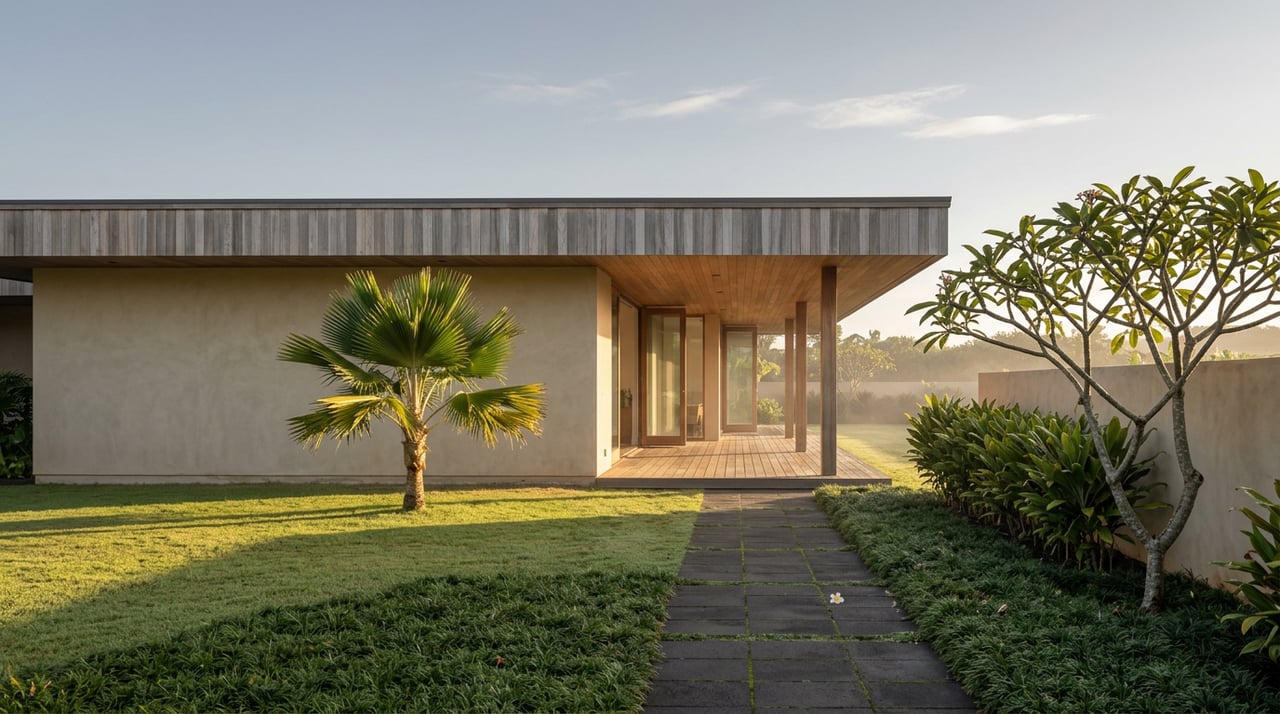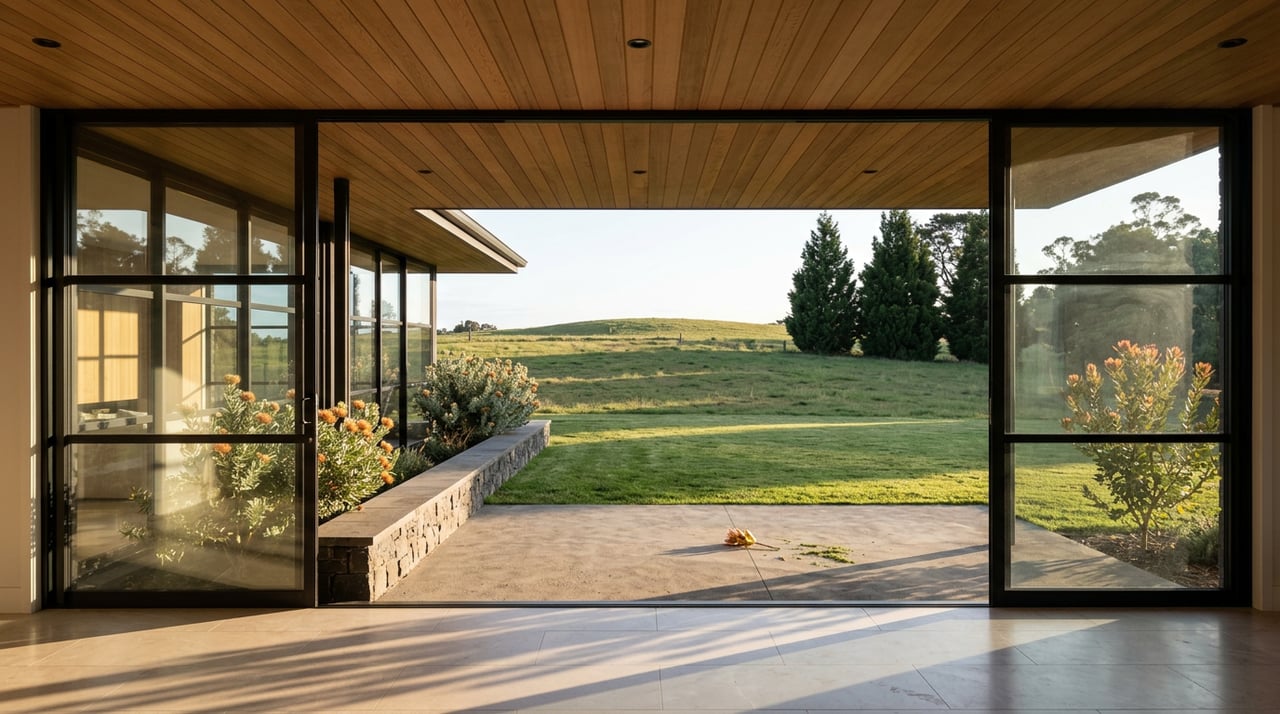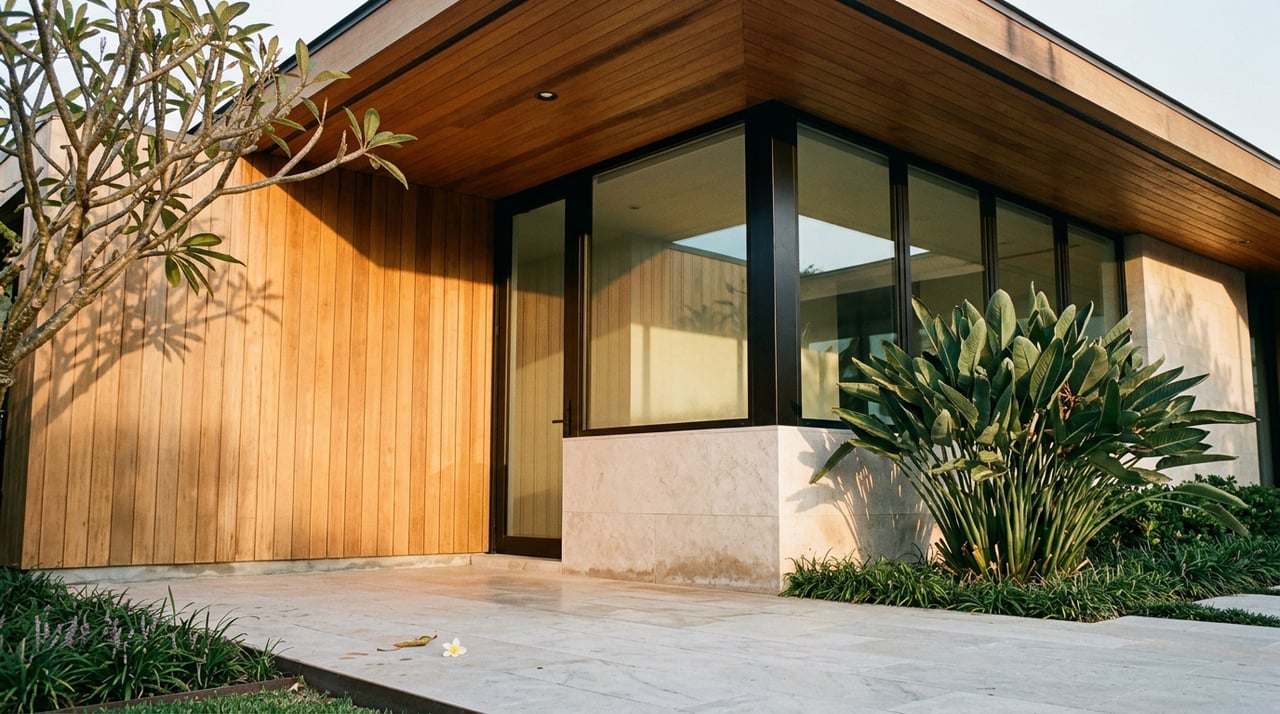
A buyer looking at two Waikoloa listings this summer found them almost identical on paper. Both two-bedroom condos. Both under a million dollars. Both marketed with the word "Waikoloa" in the headline. One came with a rental history and a transferable permit number. The other came with a listing agent who, when asked about short-term rental potential, said only that it "depends."
That word, depends, is the whole story. Waikoloa is not one rental market wearing one name. It is two legally separate systems, split by zoning classification rather than by distance to the water, and the line runs through individual parcels in ways that surprise buyers who assume geography settles the question.
The zoning line, not the coastline
Hawaii County's short-term rental framework goes back to Bill 108, adopted in 2018, which set the zoning districts where unhosted transient vacation rentals are allowed. Under that framework, three designations matter here: Resort-Hotel (V), which covers Waikoloa Beach Resort and its master-planned condo communities; Multiple-Family Residential (RM), which covers condominium projects inside a condo property regime; and standard Residential (RS), which covers single-family lots.
Waikoloa Beach Resort sits in the resort district. Its condo complexes, including Fairway Villas, Waikoloa Colony Villas, The Shores at Waikoloa Beach Resort, Kolea, and Haliʻi Kai, operate in a zone where unhosted rentals are the intended use, not an exception someone had to fight for.
Waikoloa Village, several miles inland, is different, but not uniformly different. Single-family lots there carry an RS-10 designation, which permits one residence per parcel and does not allow transient rentals at all. Condo complexes inside the Village, though, are frequently zoned RM, the same multi-family designation that governs condos on the coast. Zoning alone does not disqualify them.
The complication that breaks the simple version
If the story stopped at "coast yes, inland no," it would still be useful, but it would also be wrong often enough to cost someone real money. Paniolo Greens, a condo complex inside Waikoloa Village, carries STVR approval and has been marketed on exactly that basis. Its RM zoning puts it in the same permitted category as complexes eight miles away at the resort.
At the same time, several other RM-zoned Village complexes have closed that door themselves. Elima Lani Condominium, The Point, Makana Kai at Wehilani, and 17th Fairways Villas all prohibit short-term rentals through their own association rules, regardless of what county zoning would technically allow. The county opened the gate. The homeowners association shut it.
That means a buyer evaluating a Village condo has to clear two separate checks that have nothing to do with each other: whether the parcel's zoning permits the use, and whether the association's covenants permit it anyway. A property can pass one and fail the other, and the only way to know is to ask for the zoning designation by tax map key and read the actual CC&Rs, not the marketing copy.
What the price gap is actually pricing
The premium buyers pay for coastal Waikoloa is not simply a premium for ocean proximity or resort amenities. Some of it is a premium for legal rental income, and the year-end 2025 numbers show the size of that gap. South Kohala, the district that includes Waikoloa Beach Resort, posted 2025 year-end medians of $990,000 for homes and $1,180,000 for condos. The Big Island as a whole, over the same period, posted medians of $550,000 for homes and $635,000 for condos.
A single blended figure for "Waikoloa" hides this. One portal's snapshot from May 2026 put the overall Waikoloa median around $889,000, a number that only makes sense as an average of two different products: inland residential lots with no legal path to short-term income, and resort condos priced in part for the rental revenue they can legally generate. Treating that blended figure as a signal for either submarket individually will mislead a buyer in both directions.
Here is the split laid out plainly:
| Waikoloa Village (single-family) | Waikoloa Village (condo, RM) | Waikoloa Beach Resort | |
|---|---|---|---|
| Zoning | RS-10, Residential | Multiple-Family Residential | Resort-Hotel (V) |
| Unhosted STR by zoning | Not permitted | Permitted, varies by parcel | Permitted, resort-wide |
| Governing layer beyond zoning | HOA rules apply | HOA/AOAO rules can override zoning eligibility | AOAO rules still apply, but STR is the norm |
| Named examples | Standard residential lots | Paniolo Greens (approved) vs. Elima Lani, The Point, Makana Kai at Wehilani, 17th Fairways Villas (prohibited) | Fairway Villas, Waikoloa Colony Villas, The Shores, Kolea, Haliʻi Kai |
| 2025 year-end district median | South Kohala: $990,000 (homes) | South Kohala: $1,180,000 (condos) | Same South Kohala figures apply |
The registration law changes the paperwork, not the map
Hawaii County passed Ordinance 25-50, known locally as Bill 47, in June 2025. It requires both hosted and unhosted transient vacation rentals to register with the county, something unhosted rentals were already doing under Bill 108 but hosted rentals had never formally had to do. Registration fees run $250 initial and $100 annual renewal for hosted rentals, and $500 initial and $250 annual renewal for unhosted rentals. Operating without registration can bring fines ranging from $1,000 to $10,000.
The effective date has moved twice. It was originally set for December 20, 2025, then pushed to March 2026, and the county council ultimately settled on July 1, 2026 through Bill 98, now Ordinance 25-92. That date has now passed as of this writing, which means any Waikoloa property currently advertised as a short-term rental should already carry a registration number, whether it sits in the resort district or in an approved Village complex like Paniolo Greens.
What the ordinance does not do is redraw the zoning map. Registering a property does not make an RS-10 single-family home in the Village eligible for transient rental. It only formalizes compliance for properties that were already in a permitted zone to begin with. A buyer who hears "the county now requires registration" and assumes that means broader permission has the logic backward. Registration is the paperwork layer sitting on top of a zoning line that Bill 108 drew back in 2018 and that Bill 47 left untouched.
What to actually check before you write an offer
- Pull the property's tax map key and confirm its zoning designation directly with Hawaii County Planning rather than relying on a listing description.
- If the property already operates as a rental, ask for the existing STVR or TVR registration number and confirm in writing that it transfers to a new owner rather than expiring at closing.
- Request the CC&Rs or AOAO rules directly, not a summary of them, since Village complexes with identical zoning have taken opposite positions on rentals.
- Confirm the property's compliance status under the current registration requirement, since the enforcement window opened July 1, 2026.
Wai Pacific has walked through the broader compliance mechanics of Hawaii County's registration system in more detail in our STVR compliance guide, which is worth a read once you know which zoning category your target property falls into.
A few questions that come up often
If a Village condo is zoned RM, is short-term rental automatically legal there? Zoning eligibility is only the first gate. RM zoning means the county's rules do not block the use outright, but the association's own CC&Rs can still prohibit it, as several Waikoloa Village complexes have done even while sitting in the same zoning category as complexes that allow it.
Does the July 2026 registration requirement expand where rentals are allowed? No. Ordinance 25-50 adds a registration and compliance layer for properties already in a permitted zone. It does not change the underlying zoning districts that Bill 108 established in 2018, so a residential single-family lot in the Village remains outside the permitted use regardless of registration status.
If you are weighing a Waikoloa purchase and want to know which side of this line a specific property sits on before you write an offer, that is exactly the kind of local groundwork Wai Pacific handles as a matter of course. Start Your Island Real Estate Experience and we will walk the zoning, the CC&Rs, and the registration status together before you commit to anything.