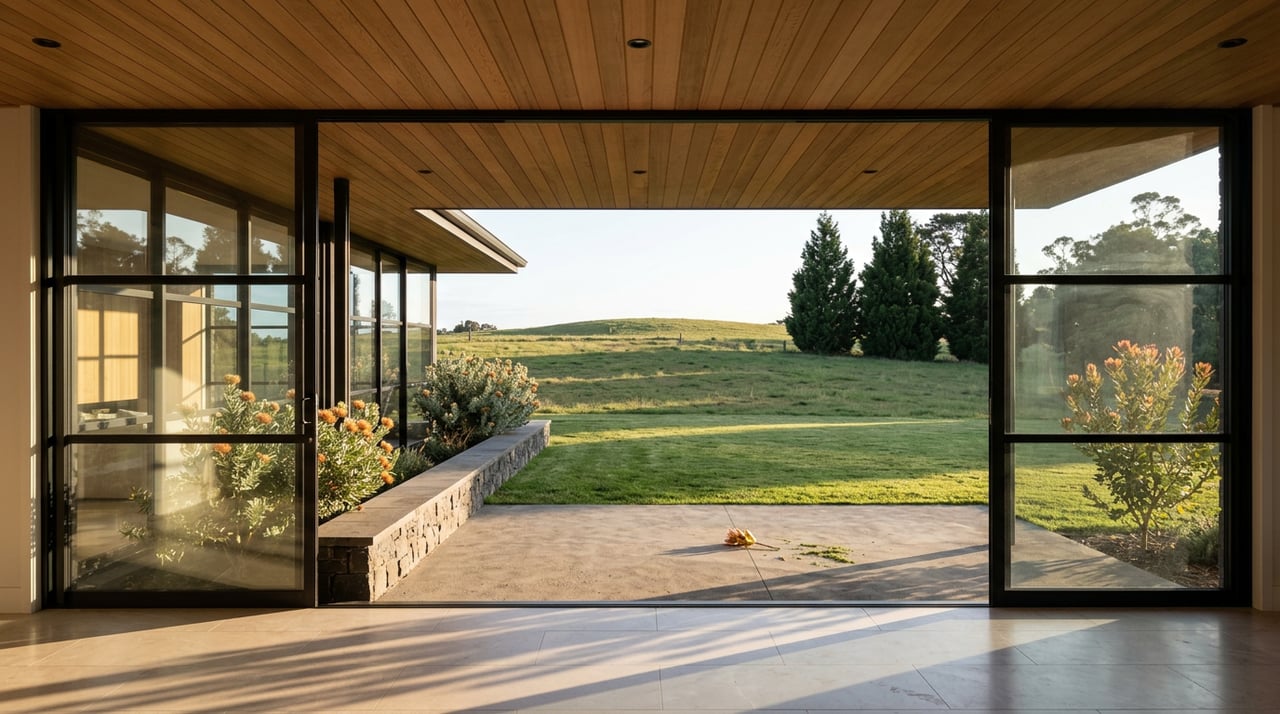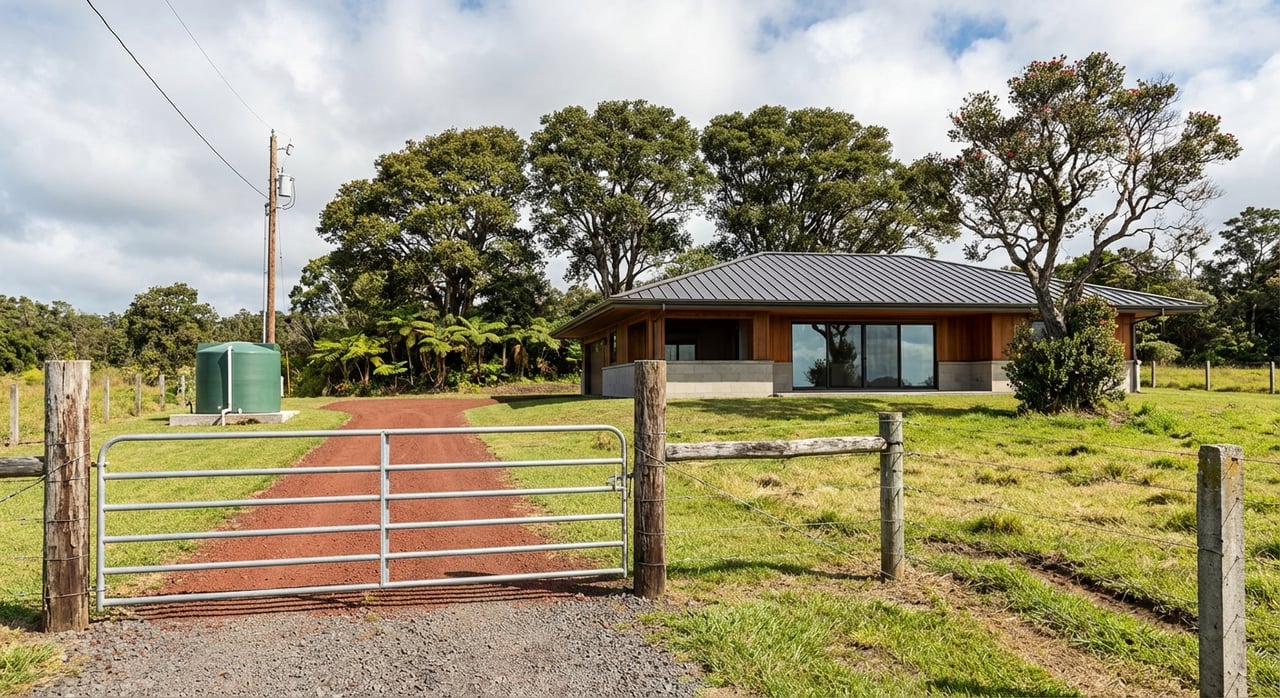
Dreaming of cool evenings, open pasture, and room to breathe in Hawaiʻi? Kamuela, also called Waimea, pairs small-town ease with an upcountry climate that feels a world away from the coast. If you are eyeing a 1 to 20 acre parcel for horses, gardens, or privacy, a little due diligence goes a long way. This guide walks you through zoning, access, utilities, wastewater rules, and land-use basics specific to Kamuela, plus a simple checklist to start your search with confidence. Let’s dive in.
Why Kamuela draws small‑acreage buyers
Kamuela sits on the northwest slope of Mauna Kea and is known for its ranching roots and cooler, higher elevation lifestyle around 2,660 to 2,700 feet. That means mild days, crisp nights, and an “upcountry” feel that many buyers love. You will often hear both names used locally: Kamuela and Waimea. The town’s paniolo heritage and the presence of Parker Ranch shape daily life and community identity. You can read more about the area’s setting and history in the overview of Waimea’s elevation and culture on Wikipedia and through Parker Ranch’s community footprint.
What “small acreage” means here
On Hawaiʻi Island, buyers often call 1 to 20 acre properties “small acreage” meant for lifestyle use rather than full-scale ranching. Labels and zoning vary by district, so it is important to confirm the parcel’s legal lot status, exact zoning, and any subdivision history with the County. The County of Hawaiʻi Planning Department provides zoning resources and parcel lookups to anchor those checks. You can start with the County’s Planning Department.
Zoning, land use, and legal status
Before you tour a property, verify its legal and planning basics. These items shape what you can build, how you can use the land, and whether future subdivision is possible.
County zoning and State Land Use
Many Kamuela parcels sit in the State Agricultural District. Agricultural uses, livestock, and farm dwellings are commonly allowed, but density, setbacks, and accessory structures are controlled by County code and the property’s zoning label. Request the parcel’s TMK record, zoning printout, and any permits on file from the County Planning Department.
Legal lot status and subdivision history
Confirm that the lot was legally created. Some older rural tracts were informally split and may not qualify as buildable without further action. Ask for the filed subdivision map or exemption documents and have your agent and title team review them.
Easements and access
Rural parcels often rely on private roads or shared driveways. Verify recorded ingress and egress rights, utility easements, and any private road maintenance agreements. Ask who pays for grading, gravel, and repairs, and how costs are shared among neighbors.
Natural hazards and site constraints
Hazard overlays affect insurance, lending, and building plans. They are quick to check early in your search.
Lava and flood zones
Much of Waimea and North Kohala lies in lower lava-hazard zones compared with other parts of the island. Always confirm the exact parcel on the USGS map and review any flood designations. Lenders and insurers look at these zones when underwriting. You can review lava-flow hazard context through the USGS Hawaiian Volcano Observatory.
Slope, soils, and geotech
Steeper ground, cinder layers, or rocky soils can influence foundation design, driveway placement, and septic options. If you are planning new construction, budget for a soils or geotechnical review as part of your due diligence.
Roads and driveway realities
Upcountry access can be beautiful and practical at the same time, but it pays to look closely.
- Confirm whether your access road is County maintained or private. Private roads remain the owners’ responsibility.
- Ask about seasonal wear from wind and rain. Long or steep driveways may need periodic grading.
- Evaluate emergency access and turnarounds for larger vehicles. In rural areas, defensible space and reliable water are important for fire response.
County resources and conversations with neighbors help you understand real-world maintenance and response times. The Planning Department can also point you to public works contacts for road acceptance questions.
Utilities, water, wastewater, and internet
These are the make-or-break items for many small‑acreage buyers. Verify them upfront to avoid surprises.
Electricity and interconnection
Hawaiʻi Island’s electric utility is Hawaii Electric Light Company (HELCO), part of Hawaiian Electric. Service availability, transformer placement, and line-extension costs vary by parcel. Confirm the nearest service point and any expected fees directly with the utility. Hawaiian Electric’s filings provide context on service and interconnection across the island. See the utility’s EDGAR materials for background on service areas and processes here.
Water supply in Waimea
Kamuela is served by a County water system that blends treated stream water with groundwater and stores it in multiple tanks. Not every rural parcel sits on a County line, so verify whether the property has an active meter, a path to obtain one, or relies on a private well or roof catchment. Review how the Waimea Water System sources and stores water in the County’s documentation on the Kohala aquifer area here. Ask about any pro‑rata charges or waitlists for new meters.
Wastewater rules and cesspool conversions
Hawaiʻi law (Act 125, 2017) requires owners to upgrade, convert, or connect existing cesspools by 2050, with earlier deadlines for some priority areas. Many older rural homes still use cesspools, and conversions can be a significant expense in volcanic terrain. Expect soil testing, septic design, permits, and potential mound systems where percolation is limited. Review state guidance on the law, timelines, and financial assistance options through the Department of Health and legislative materials summarized by the EPA here. Clarify whether the parcel is near any sewer service or will require a private system.
Internet and cellular
Coverage on the Big Island is highly site‑specific. Some pockets near town have fiber or cable, while many rural owners rely on fixed wireless or satellite. Topography and tree cover make a big difference. Check carrier maps and satellite options for your exact parcel. T‑Mobile’s satellite support page outlines current satellite‑integrated offerings and compatibility, which can help fill gaps where landline service is limited. Learn more about those options here.
Pasture, fencing, and small‑farm basics
If you plan to keep horses or a handful of cattle, evaluate the land with livestock in mind.
Pasture species and planning
Kikuyu grass is a common pasture species in Hawaiʻi and adapts well from near sea level up to around 6,000 feet with adequate rainfall. Stocking rates and rotational plans depend on rainfall, soils, and your management goals. The University of Hawaiʻi’s CTAHR publications are a reliable local resource for pasture selection and management. Review practical guidance in CTAHR’s forage notes here.
Fencing and water for stock
Walk fence lines and note material, height, and condition. Re‑fencing across uneven ground can add up. Confirm reliable water points and distribution for troughs and tanks. Some properties share ditches or have private wells; verify legal water rights and responsibilities in writing.
Permits and animal health
Check County and State rules for livestock, importation, and disease control if you plan to bring animals from off island. Local vets, extension agents, and experienced ranchers are invaluable for hoof care, parasite control, and weed management.
Climate and daily living
At roughly 2,660 to 2,700 feet, Kamuela’s climate is cooler than the coast, with larger day‑night temperature swings. Many owners prefer the breezier afternoons and sunnier breaks between showers, but wind exposure can influence site planning for lanais, barns, and greenhouses. Volcanic emissions are episodic and depend on activity and wind patterns; Kamuela is generally less exposed to lava risk than parts of Puna, but monitoring conditions through the USGS Hawaiian Volcano Observatory is a good habit.
Buyer due‑diligence checklist
Use this quick list to structure your first round of questions and document requests.
- Title and legal status
- Ask for the preliminary title report, recorded deed, all easements, and any private road maintenance agreement.
- Zoning and entitlements
- Pull the TMK zoning printout and confirm permitted uses, setbacks, and any special permits with County Planning.
- Hazard maps
- Check USGS lava flow zones and County flood overlays. Start with the USGS hazard overview.
- Utilities inventory
- Power: confirm the nearest service point and any extension fees with HELCO. See background on the utility’s service framework here.
- Water: verify active meter vs. private well or catchment; learn how Waimea’s system blends sources here.
- Internet/cell: confirm providers or satellite coverage for the exact parcel. Explore satellite support details here.
- Wastewater compliance
- If a cesspool exists, estimate conversion scope and timing under Act 125 and check for current assistance programs. Start with the state law summary here.
- Soils and site
- Order soils and percolation testing for septic design and review any geotechnical needs if slopes are present. Use CTAHR guidance for pasture planning here.
- Survey and boundaries
- Commission an updated boundary survey and verify setbacks, building envelope, and any encroachments.
- Insurance and financing
- Ask lenders and insurers early about requirements tied to lava and flood zones.
- Local voices
- Talk with neighbors and local ranchers, and contact the Planning Department for context on roads, utilities, and timelines.
How Wai Pacific helps you buy well
Buying land in Kamuela blends romance with real‑world logistics. You deserve both the vision and the verification. Our team pairs local, place‑based knowledge with a methodical process to help you act with clarity.
- We coordinate early calls with County Planning, the Department of Water Supply, HELCO, and the Department of Health to baseline utilities and wastewater requirements.
- We manage the paper trail: title, easements, surveys, and hazard lookups, so you know exactly what you are buying.
- We connect you with trusted pros for soils testing, septic design, fencing, and pasture planning, including CTAHR resources.
- We communicate clearly and move fast, with multilingual service for cross‑border and relocation clients.
Ready to explore small acreage in Kamuela with a steady, local guide at your side? Reach out to Nate Gaddis to start a focused search and a smooth path to closing.
FAQs
Can I build right away on a 1 to 5 acre lot in Kamuela?
- Maybe; confirm legal lot status, zoning and permits, water and wastewater availability, and site constraints with County Planning before applying for building permits.
How much does cesspool conversion usually cost on the Big Island?
- Costs often fall in the low tens of thousands of dollars and can be higher for engineered or mound systems; review timing under Act 125 and check for grants or credits.
Is Kamuela considered low risk for lava hazards by lenders?
- Much of Waimea and North Kohala is in lower lava-hazard zones, but always verify your exact parcel on the USGS map since lenders and insurers review those designations.
Can I keep horses or a few cattle on a 2 to 10 acre parcel?
- Often yes, subject to zoning, any HOA rules, adequate fencing and water, and thoughtful stocking rates; consult CTAHR and local vets for pasture planning.
Will my parcel have County water, or will I need a well or catchment?
- Kamuela has a County system that blends sources, but not all rural parcels are on a line; verify if there is an active meter, a path to obtain one, or if private supply is required.