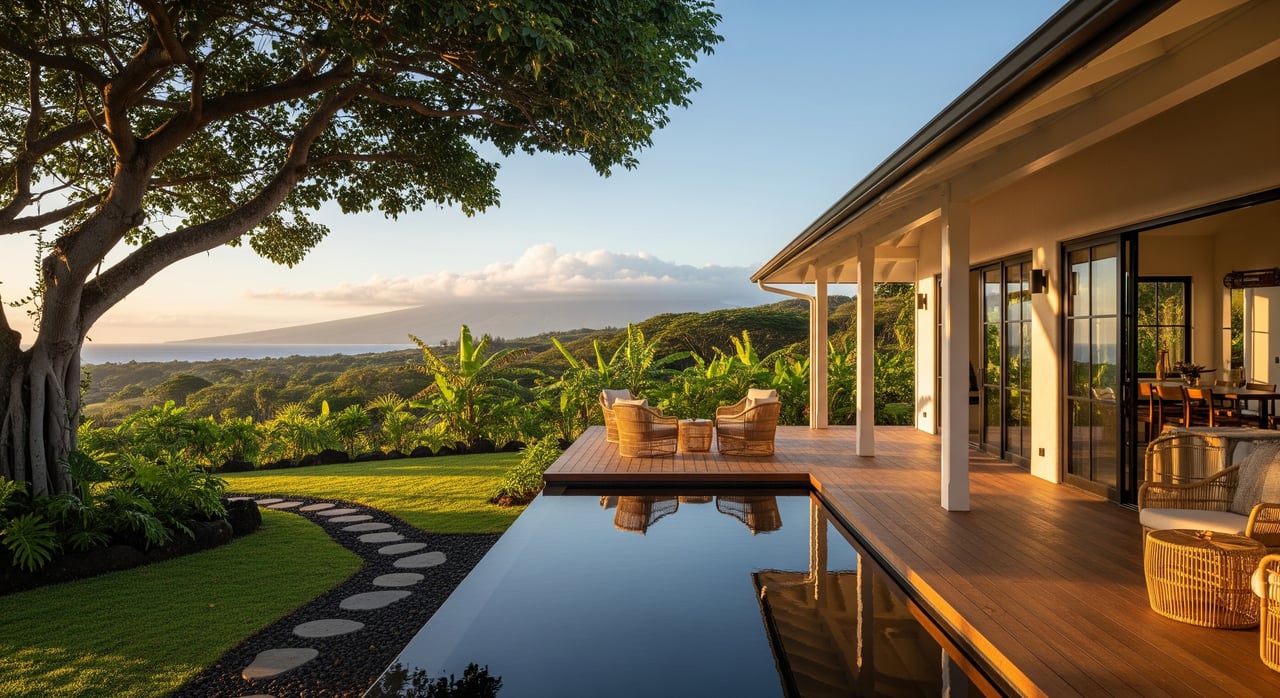
Thinking about a slower pace on Hawai‘i Island where green valleys meet the sea? If Honoka‘a keeps popping up in your search, you’re not alone. Many buyers choose this small town for its historic charm, active community life, and easy access to outdoor adventures. In this guide, you’ll learn what it’s really like to relocate here, from housing and utilities to commutes, local rhythms, weather, and a simple first 60 days plan. Let’s dive in.
Honoka‘a in focus
Honoka‘a is a historic plantation town on the Hāmākua Coast. You’ll find a compact main street, older buildings with character, and a surrounding patchwork of valleys, ridgelines, and rural acreage. The town appeals to lifestyle buyers who want small‑town living with access to Waipi‘o Valley and nearby Waimea.
Expect local markets, cafés, and everyday services in town, plus larger hospitals and specialty services in Hilo or Waimea. Community events and neighbor networks are a big part of daily life here.
Housing options and tips
You’ll see a mix of property types around Honoka‘a:
- Plantation cottages and older single‑family homes with unique features.
- Modest newer homes and small subdivisions.
- Rural parcels and small agricultural acreage with fruit trees or pasture.
- Limited condos or multi‑unit options compared with bigger towns.
Key practical considerations:
- Maintenance: Older homes may need roof, termite, wood‑rot, or moisture repairs in this humid, rainy climate.
- Utilities: Internet, cable, and trash service vary by parcel. Confirm serviceability before you commit.
- Wastewater: Many properties use septic or cesspools. Know disclosure rules, potential upgrade timelines, and costs early.
- Insurance: Review wind, hurricane, and flood exposure. Some lower‑lying or valley properties may face higher risk.
- Zoning and taxes: Hawaii County rules affect permitted uses, agricultural designations, and accessory dwellings.
Verify before you buy
When you preview a property, confirm the basics on site:
- Water source: County meter, private well, or hauled water, and meter availability.
- Wastewater: Sewer, septic, or cesspool status and any permits or upgrades required.
- Access: Road type and condition, steep driveways, and legal right‑of‑way.
- Connectivity: Cell and internet service with the carriers you plan to use.
- Hazards: Flood, tsunami, and landslide designations using FEMA and county maps.
Commute and transportation
Mamalahoa Highway, also known as Highway 19, is the main road along the Hāmākua Coast. From Honoka‘a, you’ll typically drive east toward Hilo or west toward Waimea, with North Kona accessible via Saddle Road. The highway is two lanes with curves and changing speed limits.
Travel times vary with weather and road conditions. Heavy rain, road work, or tourist traffic can slow things down. Plan extra time for medical visits, larger grocery runs, and government services in Hilo or Waimea.
Getting around daily
- Public transit: Hele‑On operates island routes, but service is limited in frequency and coverage. Rideshare and taxis are not as common as on the mainland.
- Vehicles: A reliable car is essential. For some rural roads or trips toward Waipi‘o Valley, higher clearance or 4WD may be helpful.
- Parking and deliveries: Expect driveway or on‑street parking. Rural parcels can have limited delivery access, so confirm movers and parcel service options ahead of time.
- Mail: The post office in town offers PO boxes and forwarding services.
Local life and amenities
Honoka‘a’s farmers markets and roadside stands reflect seasonal island agriculture. Depending on the time of year, you’ll find mangoes, citrus, avocados, papayas, breadfruit, bananas, and local coffee, plus baked goods and sauces. Vendor lineups and schedules can change. Checking the chamber of commerce, county calendars, and community boards is a smart habit.
Everyday needs are close by. You’ll find grocery options, restaurants, cafés, a hardware store, and professional services downtown. For major medical care, plan on traveling to Hilo Medical Center or North Hawai‘i Community Hospital in Waimea.
Public schools serve local residents. Private or alternative options exist on the island but may be outside of town. Use neutral, trusted sources and direct school contacts to evaluate programs that match your needs.
Community connections
You’ll notice a strong Hawaiian cultural presence and a tight‑knit community. To settle in:
- Join local markets, parades, and small festivals.
- Volunteer with nonprofits or community groups.
- Learn about cultural sites and show respect for taro patches and private lands.
- Get to know your neighbors early to tap into word‑of‑mouth recommendations and repair referrals.
Weather and hazards
Honoka‘a sits on the windward side of the island’s north, so it stays green for a reason. Northeast trade winds bring moisture, and showers can happen any time. Temperatures are moderate year‑round, though microclimates vary by elevation and exposure.
Seasonal notes:
- Rain is more frequent from late fall through early spring.
- Tropical cyclone season runs June through November. Direct hits are uncommon, but wind and surf events do occur.
- Air quality can be affected by volcanic emissions depending on eruption activity and winds.
Risk awareness and preparation:
- Check FEMA flood maps and Hawaii County hazard maps during your home search.
- Confirm elevation and any known parcel history with flooding or landslides.
- Enroll in county emergency alerts, learn tsunami evacuation routes, and keep a basic emergency kit.
Preview the area
A few smart steps before you buy or move:
- Visit at different times and days to gauge traffic, noise, and market rhythms.
- Do at least one overnight to experience humidity, night sounds, and morning routines.
- Drive your likely daily routes to work, school, hospitals, and grocery stores.
- Test cell and internet at the specific parcel using your actual devices.
- Attend a farmers market and a public meeting to understand community pace and priorities.
- Check county parcel data for water, wastewater, and utility status.
Your first 60 days
Get settled with a simple, sequential checklist.
Before moving:
- Confirm closing requirements, including water meter transfer and septic or cesspool disclosures.
- Book movers who understand island roads and rural access.
- Plan your vehicle registration transfer and insurance.
Day 0–7:
- Set up mail forwarding or secure a PO box at the post office.
- Turn on electric, water, and internet or phone service. Confirm trash and recycling pickup with the county.
- Enroll in county emergency alerts and note tsunami evacuation routes and the nearest shelter.
- Introduce yourself to neighbors and collect local contacts for basic services.
Week 2–4:
- Register with a local clinic, and map your route to the nearest ER or hospital.
- Choose a dentist, veterinarian if needed, and connect with schools if applicable.
- If still searching, meet a local agent and schedule inspections such as termite, roof, structural, and septic or water testing.
- Set up banking, driver’s license, and vehicle registration per state and county timelines.
Weeks 4–8:
- Join community groups or a local co‑op, and revisit markets to learn seasonal patterns.
- Schedule any needed contractor work like roofing, pest treatment, or wastewater upgrades. Get multiple bids and verify licensing.
- Finalize school enrollment and meet with administrators and teachers as needed.
Special logistics to handle early:
- Internet and cell: Consider satellite or fixed wireless for rural areas if wired options are limited.
- Wastewater compliance: Know your timeline and cost path for cesspool conversion or septic work.
- Insurance: Shop policies early. Older roofs may require inspections.
- Vehicle: Choose suitable traction and clearance for rain‑slick roads and steep drives; 4WD helps for some properties and Waipi‘o access.
Is Honoka‘a a fit?
If you value small‑town living, seasonal farm abundance, and quick access to valleys and coastlines, Honoka‘a delivers. You’ll trade big‑city convenience for authentic rhythm and strong neighbor networks. With the right prep, moving here can be smooth and rewarding.
If you’re ready to plan your move or want a second set of eyes on a property’s utilities, access, and risk profile, reach out to Nate Gaddis. Our team provides high‑touch buyer representation, local guidance across Big Island micro‑markets, and multilingual support in English, Mandarin, and Japanese.
FAQs
What kinds of homes are common in Honoka‘a?
- You’ll find plantation‑era cottages, modest newer single‑family homes, and rural acreage, with fewer condos or multi‑unit options than larger towns.
How reliable is internet service near Honoka‘a?
- Service varies by parcel; some areas have wired options while rural locations may need satellite or fixed wireless, so test at the exact property.
What should I know about cesspools and septic systems?
- Many properties use septic or cesspools, and upgrades can be required, so confirm system type, permits, and potential costs early in your process.
Is public transit realistic for commuting from Honoka‘a?
- Hele‑On runs island routes with limited frequency and coverage, so most residents rely on a personal vehicle for daily commuting.
How do storms affect daily life in Honoka‘a?
- Heavy rain can slow travel and raise landslide or washout risks on steep terrain, so plan extra time and stay enrolled in local emergency alerts.
Where is the nearest full‑service hospital?
- You’ll travel to Hilo Medical Center to the east or North Hawai‘i Community Hospital in Waimea to the west for major medical care.