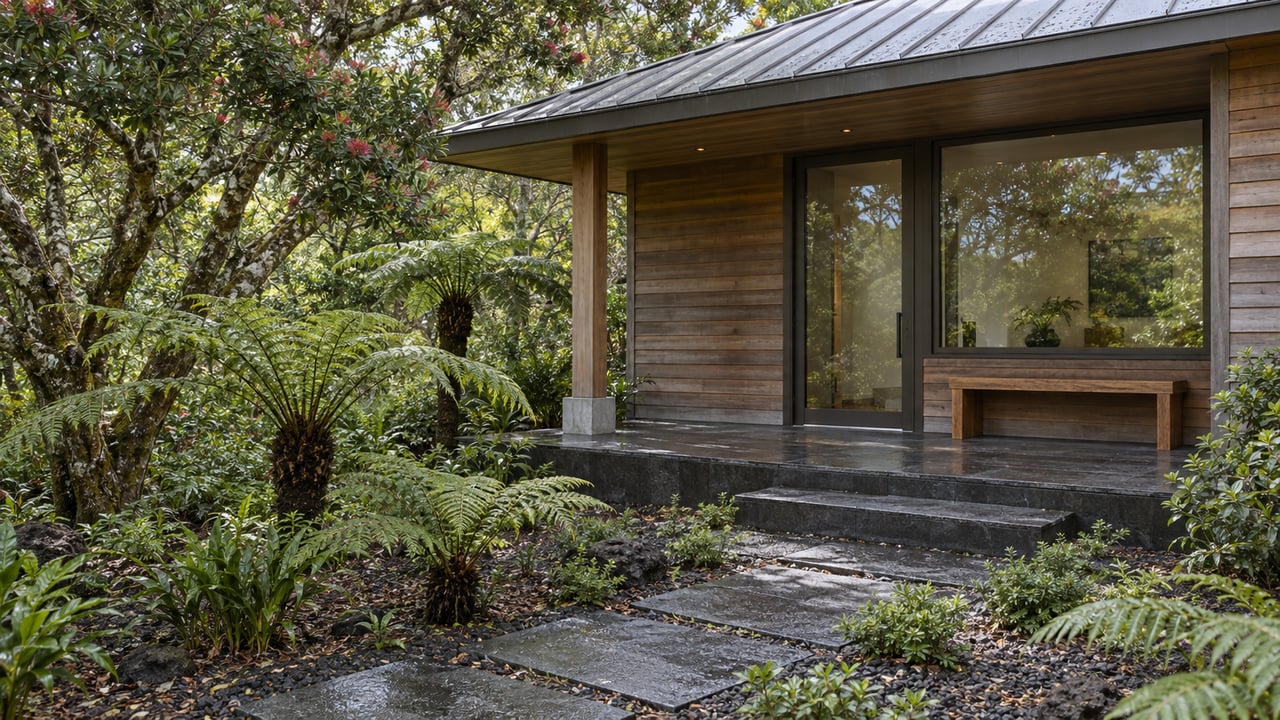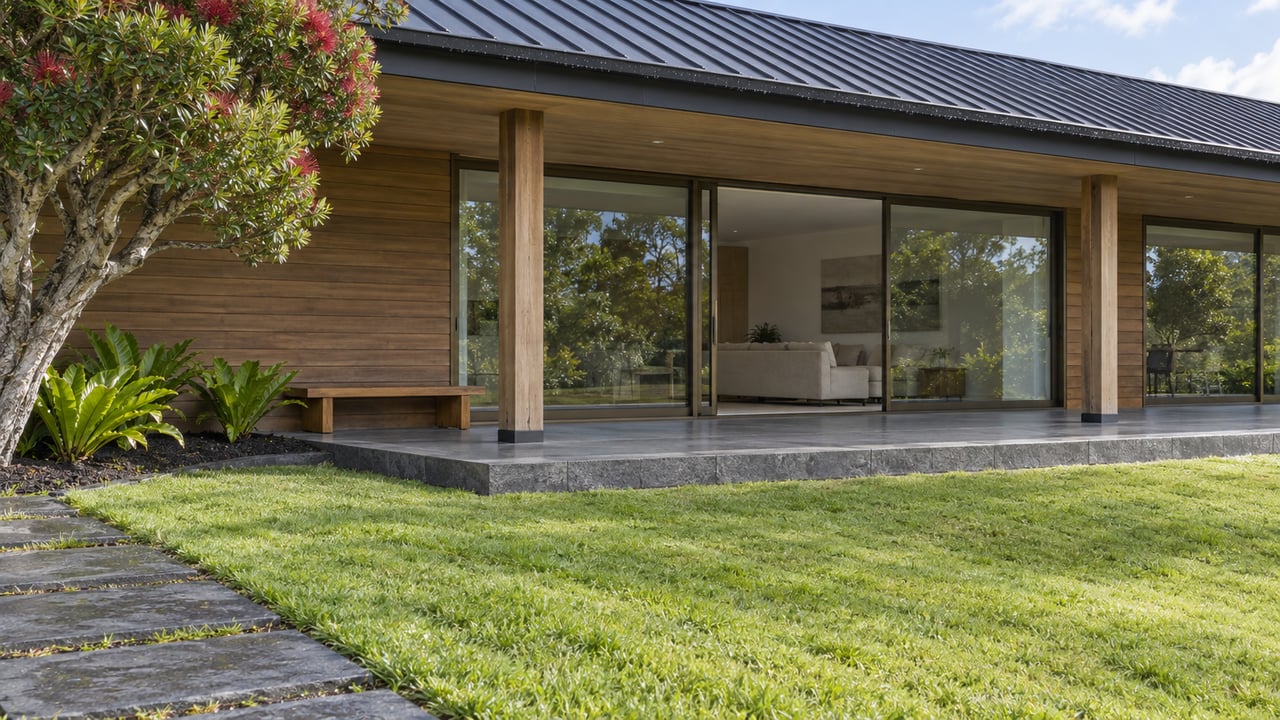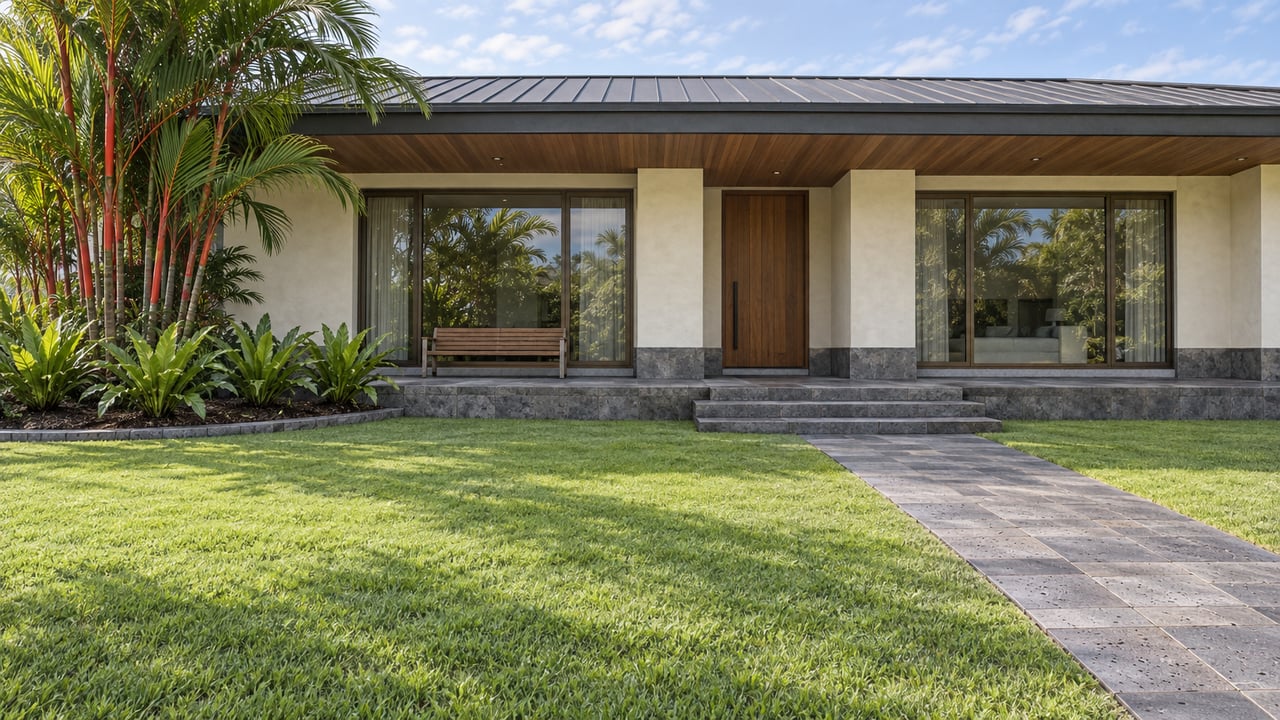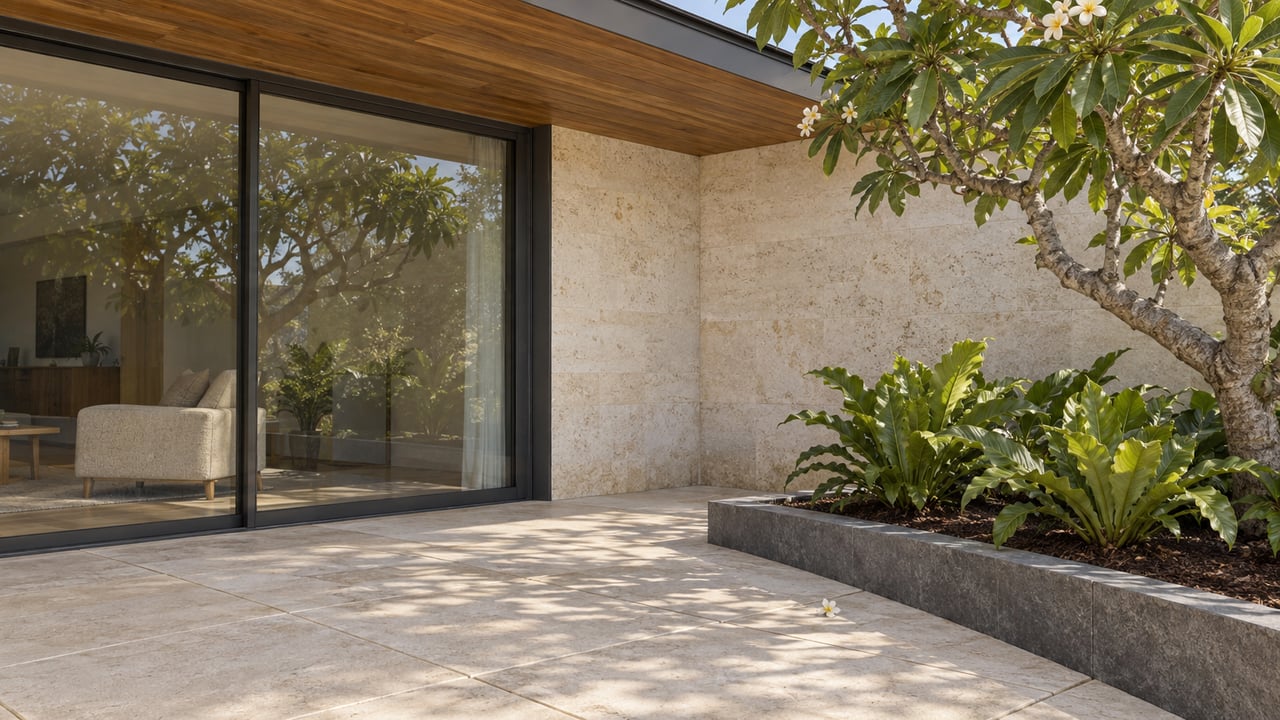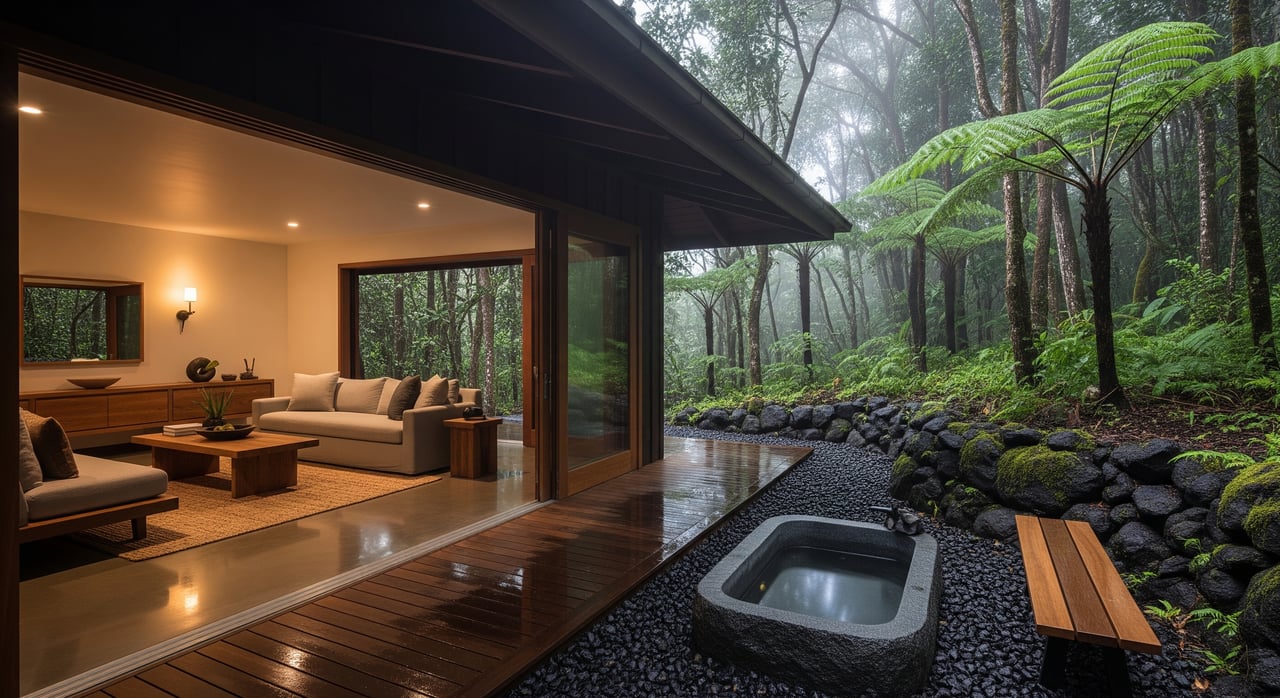
Misty mornings, towering tree ferns, and the quiet drip of rainforest life create a daily rhythm you won’t find anywhere else on Hawaiʻi Island. If you’re drawn to cooler air, creative energy, and a slower pace, Volcano might feel like home from the first walk down a mossy lane. At the same time, life here asks for a bit of planning around weather, utilities, and occasional volcanic activity. This guide walks you through what to expect day to day, from climate and commute times to water systems, safety, and community life. Let’s dive in.
Volcano at a glance
Volcano sits in a high elevation rainforest on Kīlauea’s windward slopes. You’ll notice cooler temperatures than the coast, frequent mist and rain, and deep green vegetation everywhere you look. The village is small and independent in feel, with a few local cafes, galleries, and shops, plus strong ties to Hawaiʻi Volcanoes National Park. Most residents prize the nature, quiet, and creative community more than quick access to big city amenities.
Rainforest climate basics
Expect high humidity, regular rainfall, and cool nights. Homes and cars collect moisture, and moss grows quickly on shaded roofs, steps, and driveways. Plan for routine maintenance like gutter cleaning, roof care, and dehumidification to reduce mold and rot. A good rain jacket, waterproof footwear, and clothing that dries fast will serve you well.
Practical home tips
- Prioritize ventilation and dehumidifiers to manage indoor moisture.
- Choose moisture resistant materials for exterior decks and trim.
- Maintain driveway drainage to handle heavy rain and reduce erosion.
- Schedule regular roof and gutter inspections, especially under tree cover.
Everyday services and shopping
Volcano is village scaled. You’ll find a handful of cafes, small restaurants, and locally owned shops, plus galleries and studios. The Volcano Art Center anchors much of the area’s arts programming with classes, exhibits, and community events. For full grocery runs and many services, most residents drive to Hilo.
Groceries and errands
- Basic supplies are available locally, though selection is limited.
- Hilo offers supermarkets, pharmacies, and big box stores, about 30 to 60 minutes away depending on where you live and road conditions.
- Expect seasonal visitor flow near the park that can influence parking and business hours.
Healthcare and safety planning
You have local emergency response and limited clinic options for routine needs. For hospital care, residents typically use Hilo Medical Center. It’s smart to keep a basic emergency plan and household supplies. Sign up for Hawaii County Civil Defense alerts for timely updates during storms or volcanic events.
Getting around
Most people rely on a private vehicle. Roads can be winding and wet, so give yourself extra time and drive with care. A typical commute to Hilo runs about 30 to 60 minutes. Getting to Kona or West Hawaiʻi often takes 1.5 to 3 hours, so regular cross-island commuting can be a challenge.
Utilities and connectivity
Volcano properties vary widely in their utility setup. Some homes connect to county water, while many rely on rainwater catchment. Septic systems are common, and internet and cell coverage can change street by street.
- Electricity: Hawaiian Electric serves the area, and outages may occur during storms or system events. You can review outage resources through Hawaiian Electric.
- Water: If a property uses rainwater catchment, you’ll manage storage, filtration, and conservation. Learn about county water availability and policies via the county’s Department of Water Supply.
- Wastewater: Most homes have septic systems. Confirm permits, capacity, and maintenance history during inspections.
- Internet and cellular: Coverage can be excellent in some pockets and limited in others. Always verify service at the exact property.
Housing and building realities
Volcano’s housing market is small and varied. You’ll see classic cottages tucked in the forest, custom homes, and rural lots. Short term rentals are present in the area, and the county regulates them, so check current requirements before you buy or invest.
Permits, design, and materials
- Zoning, building, and subdivision rules are managed by county departments. Start with the Hawaii County Planning Department to understand allowable uses and permit pathways.
- Heavy rain and steep terrain mean drainage, erosion control, and foundation details are important. Expect to see geotechnical or drainage studies on some projects.
- Moisture resistant materials, robust ventilation, and durable roofing pay dividends in this climate.
- Septic systems require proper design and approvals. Inspect for function and compliance.
Insurance and financing
Insurance can be more specialized or costly for rural properties. Some policies may limit or exclude certain perils like ash fall or earthquake, so review coverages closely. Lenders sometimes require added inspections for rural homes, including septic and catchment systems. Choose lenders experienced with Hawaiʻi Island’s rural markets.
Volcanic hazards and air quality
Kīlauea is one of the most active volcanoes in the world. The USGS Hawaiian Volcano Observatory provides real time updates, hazard maps, and public guidance. You can also see how lava flow hazard zones are mapped across the island on the USGS page for Hawaiʻi Island lava flow hazard zones.
Volcanic smog, or vog, sometimes affects air quality based on emission levels and wind direction. Sensitive individuals should pay attention to advisories. During events, the Hawaiʻi Department of Health posts information through its Clean Air Branch and works with USGS to share guidance. Impact varies by eruption location and conditions, and there are long stretches with no issues at all.
Preparedness basics
- Enroll in Hawaii County Civil Defense alerts for closures, advisories, and evacuation notices.
- Keep water, food, and medications on hand, plus a go bag and a communication plan.
- Know alternate routes if park facilities or roads are restricted during events.
Community and recreation
If you love nature and creative pursuits, Volcano shines. Hawaiʻi Volcanoes National Park is your backyard for hiking, ranger programs, and scenic drives. Start planning with the park’s official site. Around town, the Volcano Art Center hosts exhibits, classes, and festivals that showcase local artists.
Families appreciate the area’s small town feel and access to outdoor learning. The Volcano School of Arts & Sciences operates locally as a public charter school. For a complete list of public schools and enrollment details across the island, use the Hawaiʻi State Department of Education’s resources.
Is Volcano a fit?
You’ll likely thrive here if you want quiet, nature immersion, and a community that values arts, conservation, and low impact living. Volcano rewards self sufficiency and flexibility. You might struggle if you need a fast commute, nightly dining variety, or guaranteed urban utilities. Many residents blend home based work with periodic trips to Hilo for appointments and shopping.
Buyer checklist for Volcano homes
Before you make an offer, confirm the details that matter most in a rainforest setting.
- Water source: County water or rainwater catchment. If catchment, review tank size, filtration, and maintenance.
- Wastewater: Septic type, permits, age, and pumping schedule.
- Internet and cell: Test service at the property for both work and streaming.
- Power: Ask about recent outages and any backup systems. Review resources from Hawaiian Electric.
- Drainage and access: Look for proper grading, gutters, and driveway surfacing to handle heavy rain.
- Mold and pests: Inspect for moisture issues, rot, and termite damage common in humid climates.
- Hazard mapping: Review USGS information, including lava flow hazard zones, and ask about flood or landslide considerations.
- Permits and zoning: Verify county permits, allowed uses, and any short term rental rules through the Planning Department.
- Air quality: During eruptive periods, follow guidance from the Clean Air Branch and USGS updates.
- Emergency readiness: Sign up for Civil Defense alerts and assemble household supplies.
Ready to explore Volcano?
If rainforest living on Kīlauea’s slopes calls to you, you deserve a guide who knows each microclimate, back road, and permit step. Our team helps you verify utilities, navigate county rules, and weigh property tradeoffs so you can buy with confidence. Have a specific street, utility question, or listing in mind? Start a conversation with Nate Gaddis and get local, step by step guidance.
FAQs
What is the weather like in Volcano year round?
- Temperatures are cooler than coastal areas with frequent rain and mist, high humidity, and cool nights. Plan for moisture management at home and waterproof gear for daily life.
How far is Volcano from hospitals and major shopping?
- Most residents drive 30 to 60 minutes to Hilo for supermarkets, medical appointments, and hospital care at Hilo Medical Center.
Do most homes in Volcano have county water or catchment?
- Both exist, but many properties rely on rainwater catchment. Confirm your source and learn about county water policies through the Department of Water Supply.
How reliable are power and internet in the rainforest?
- Power is provided by Hawaiian Electric, with outages possible during storms. Internet and cell coverage vary widely by street, so always test at the property and review Hawaiian Electric outage information.
How do I monitor volcanic activity and air quality?
- Use the USGS Hawaiian Volcano Observatory for activity updates and hazard maps, and check the Hawaiʻi Department of Health’s Clean Air Branch for vog advisories.
Are there special permits or inspections for building in Volcano?
- The county manages zoning and permits through the Planning Department. Expect careful attention to drainage, septic design, and moisture resistant construction details in this climate.